
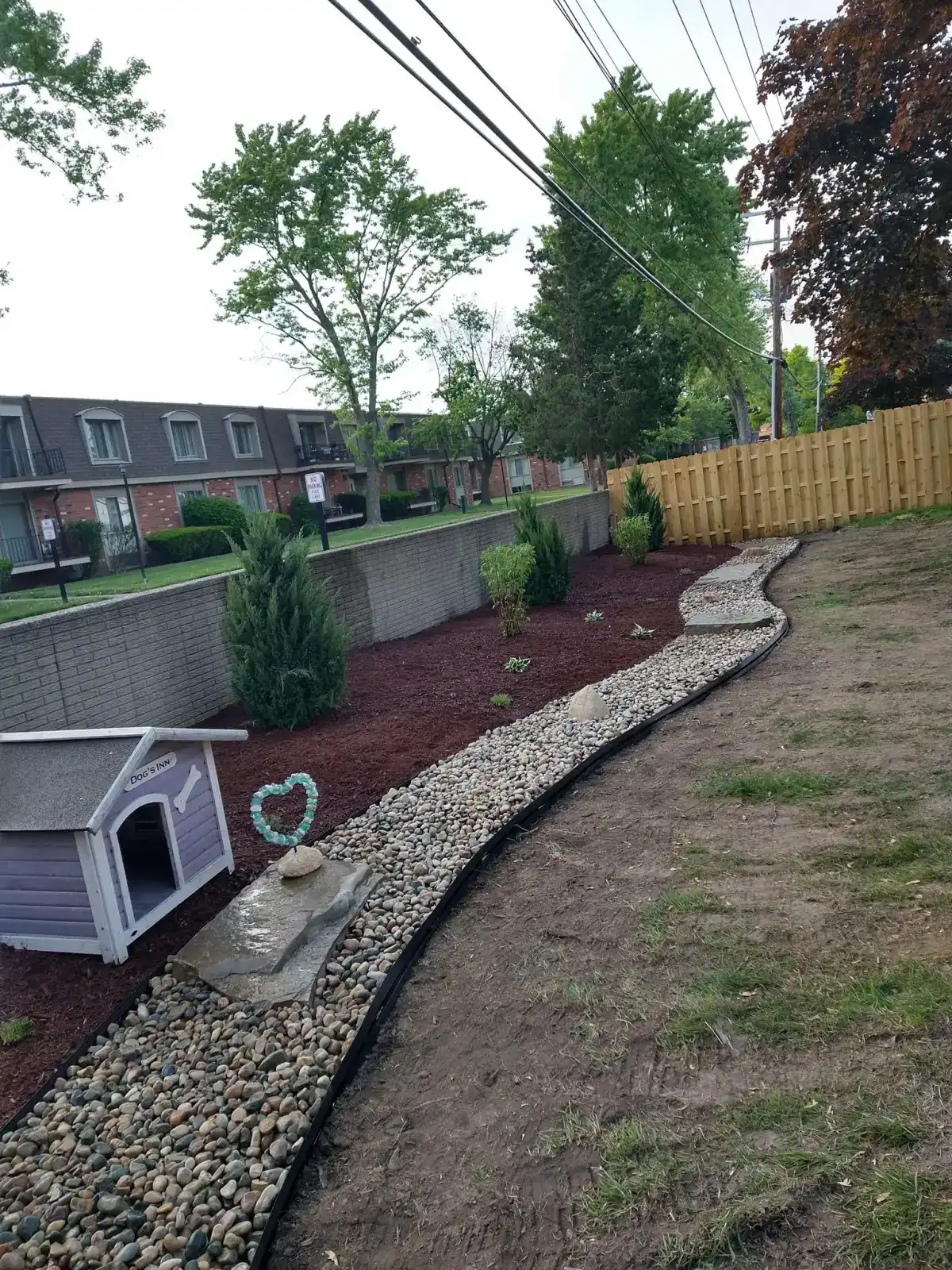
French Drain Installation | Metro Detroit
The most effective subsurface water management system for Southeast Michigan's clay soils. Engineered trench systems that intercept, collect, and redirect groundwater away from your foundation and landscape.
French Drains Solve the Problems You Cannot See
A french drain is a gravel-filled trench containing a perforated pipe that collects subsurface water and routes it to a discharge point. Unlike surface drainage that manages visible water, french drains intercept water moving through the soil before it reaches your foundation, saturates your lawn, or undermines your hardscaping.
In Metro Detroit, french drains are a necessity on many properties. Macomb and Oakland County soils are predominantly glacial clay with percolation rates near zero. Water sits in the soil, builds hydrostatic pressure against foundation walls, saturates turf root zones, and destabilizes hardscape bases. A properly designed french drain provides the mechanical drainage path that our soils cannot provide naturally.
The Guy Outdoor Services has installed hundreds of french drain systems across Metro Detroit since 2006. We use rigid PVC or heavy-wall corrugated pipe sized for Michigan's storm volumes, wrapped in geotextile fabric to prevent silt infiltration, and backfilled with washed drainage aggregate that maintains flow capacity indefinitely.
Where French Drains Solve Problems
Foundation Perimeter Drains
The most critical application. A french drain along the exterior foundation intercepts water before it builds hydrostatic pressure against the basement. We excavate alongside the footer, install pipe at the wall base, and backfill with washed stone. This is the first defense against basement moisture in Metro Detroit's clay soils -- far less invasive and less expensive than interior waterproofing.
Yard Drainage Collection
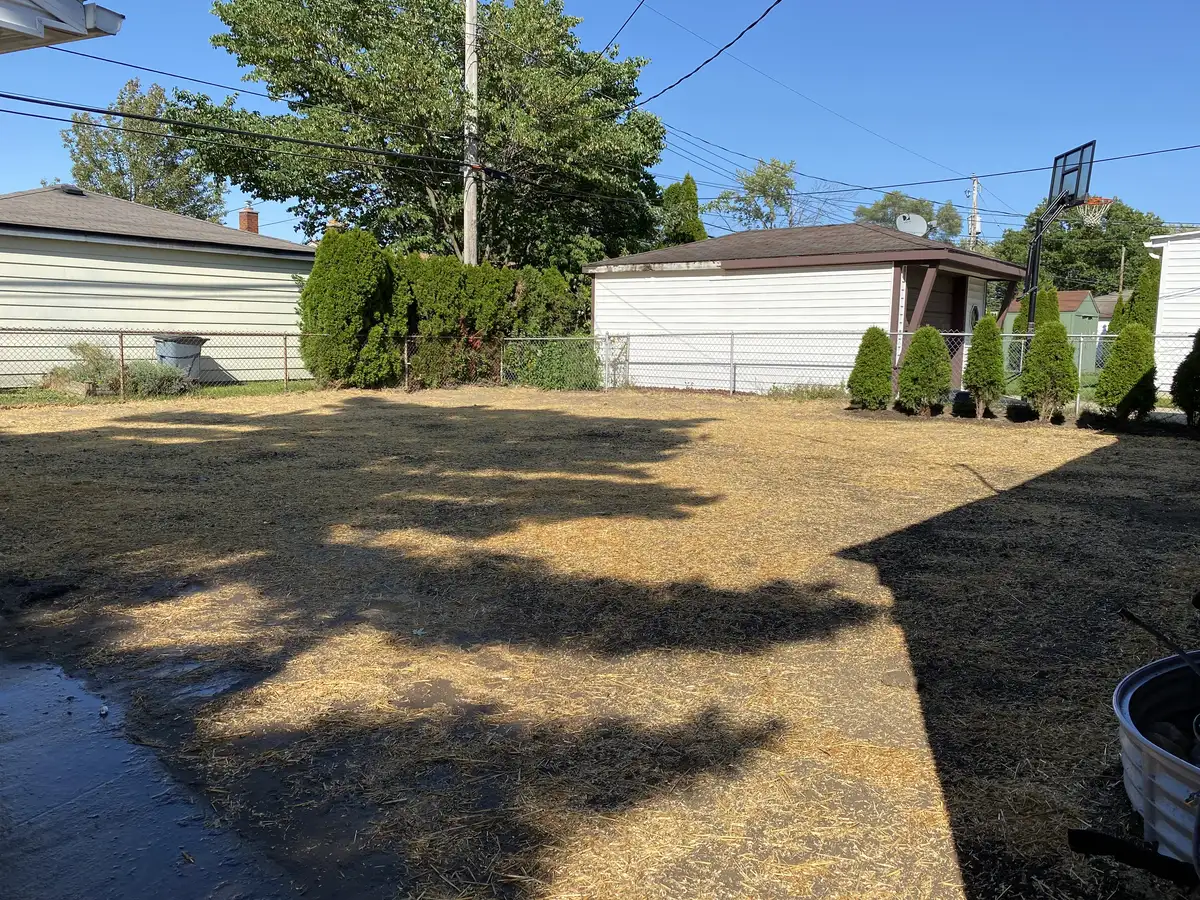
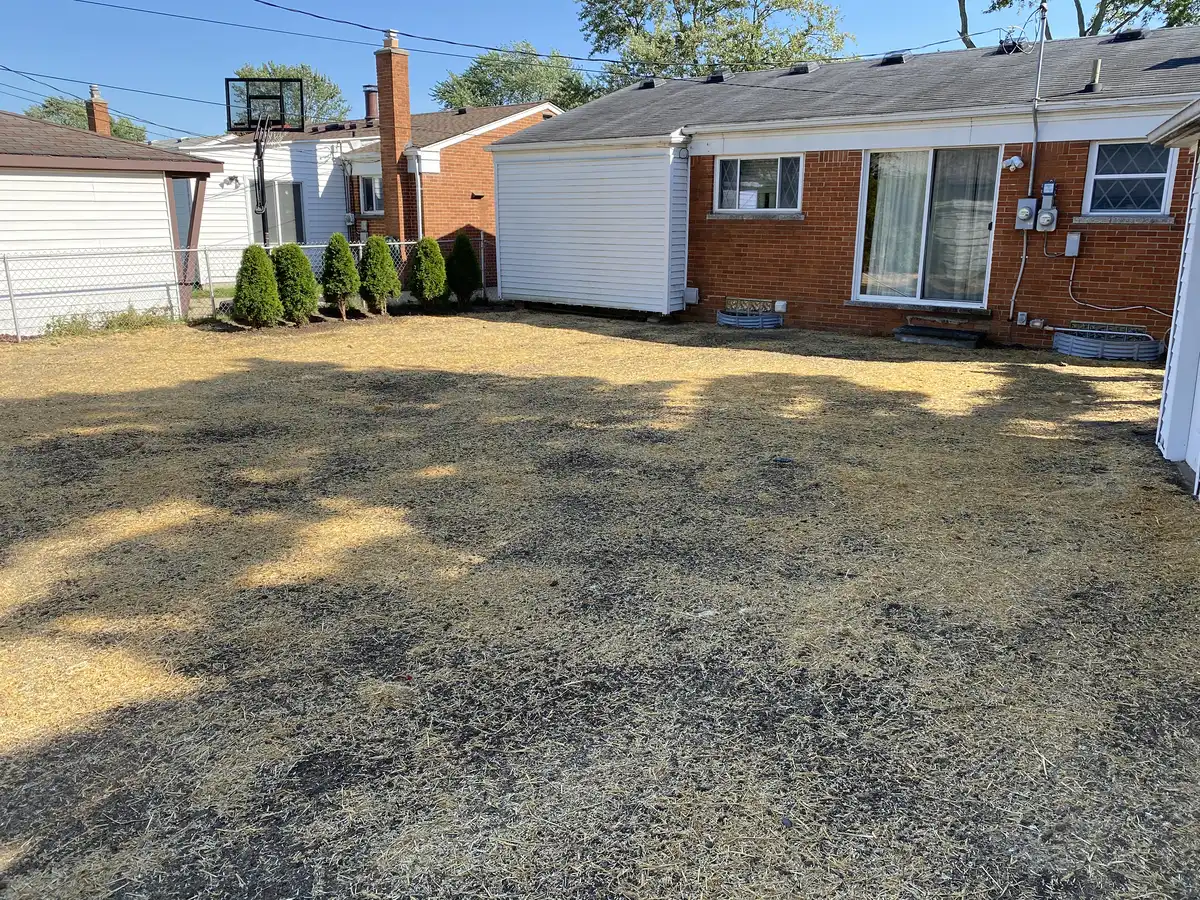
Low-lying areas receive french drain trenches that collect subsurface water and route it to discharge points. We design these with 1 to 2 percent slope minimum for gravity flow. Multiple collection trenches connect to a single main line for properties with issues in several zones.
Behind Retaining Walls
Every retaining wall needs a french drain behind the face. Without drainage, saturated soil adds thousands of pounds of hydrostatic pressure causing wall failure. The drain collects water before reaching the wall, routing it to weep holes or underground discharge.
Under Patio and Driveway Edges
Water pooling at hardscape edges accelerates base erosion and perimeter sinking. A french drain along patio or driveway edges intercepts this water before it undermines the base. On properties with drainage issues, we install edge drains as standard practice to protect every hardscape installation.
How We Build French Drains That Last Decades
Pipe Specification
We use 4-inch Schedule 40 perforated PVC or heavy-wall corrugated HDPE. PVC provides the highest flow capacity and crush resistance for foundation drains. Pipes are installed with perforations facing down on a gravel bed so water enters from below rather than carrying silt from above.
Filter Fabric
Every pipe is wrapped in non-woven geotextile filter fabric before backfilling. The fabric passes water while blocking fine clay particles. This is the step most DIY installations skip -- and the reason most fail within 3 to 5 years as silt fills the gravel voids.
Washed Drainage Aggregate
We backfill with washed 3/4-inch crushed stone, not unwashed gravel. Washed stone has zero fines that compact and reduce flow. The angular shape creates permanent void space. This costs slightly more but ensures the drain functions indefinitely.
French Drain FAQ
French drain installations range from $3,000 to $12,000 depending on length, depth, discharge method, and access. A 40-foot perimeter drain is at the lower end. Full-property systems with multiple runs and grade corrections are higher. We provide detailed estimates after site assessment.
Properly installed french drains with washed aggregate, filter fabric, and quality pipe last 30 to 50 years. Premature failures almost always lack filter fabric, use unwashed gravel, or were installed without adequate slope.
Excavation is unavoidable, but we restore surfaces after installation. Trenches are 12 to 18 inches wide. We carefully remove sod, stockpile topsoil, and replace both after backfilling. Within 4 to 6 weeks during growing season, the trench is invisible.
Related Drainage Services
Drainage Solutions
Complete drainage including grading, downspout routing, catch basins, and dry creek beds.
Learn MoreRetaining Walls
Every retaining wall includes integrated french drain construction to manage hydrostatic pressure.
Learn MoreSod Installation
After drainage correction, new sod restores areas previously too wet for healthy turf.
Learn MoreSolve the Water Problem Permanently
Contact us for a french drain assessment. We identify the source, design the system, and provide a fixed price before any work begins.