
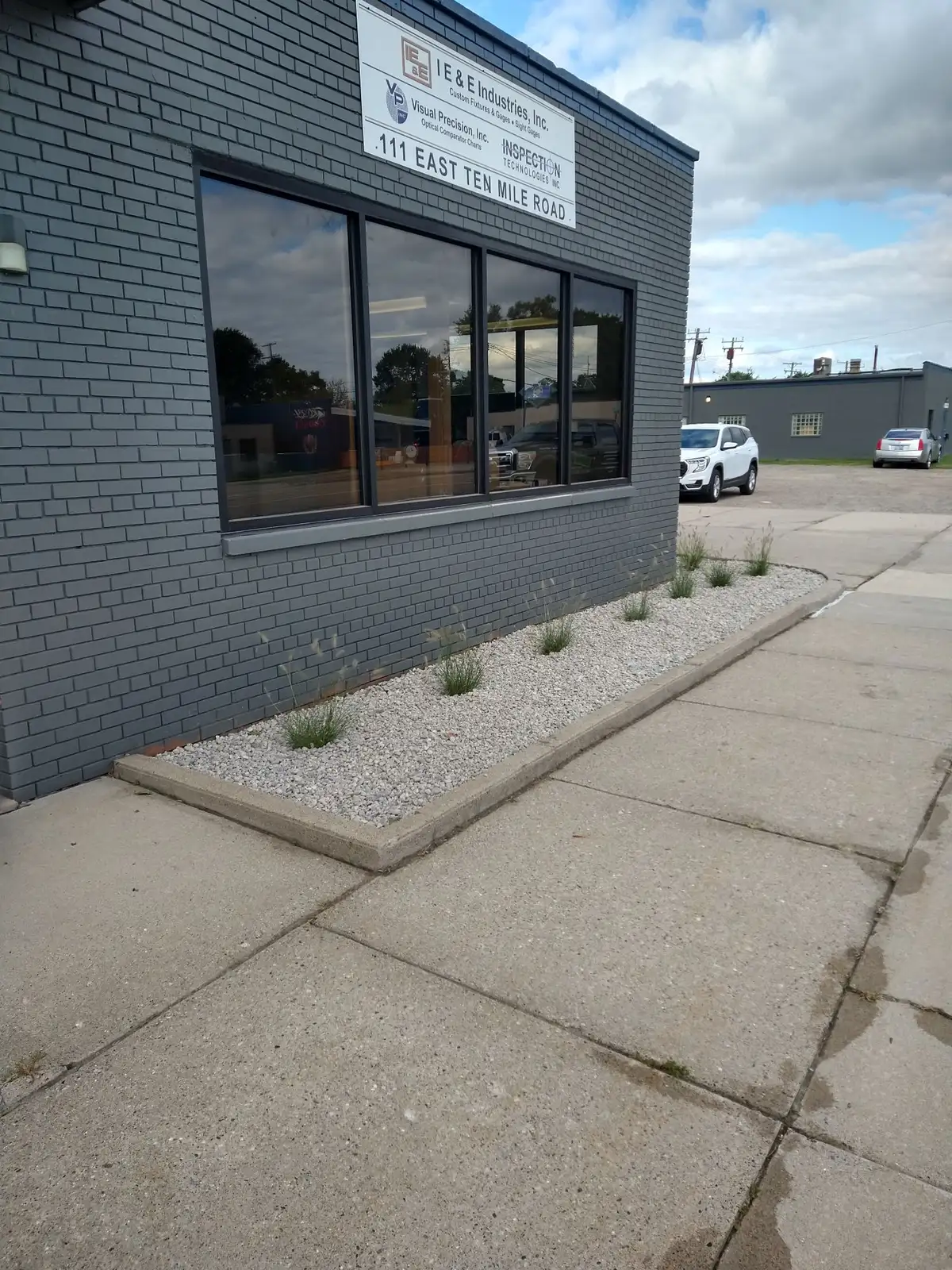
When Warren homeowners search for landscaping help, they are usually trying to answer a practical question before they book: is this a simple cleanup, a full redesign, a drainage problem, a lawn issue, or the first phase of a larger outdoor living project? The right answer depends on the property, the season, and the order of work. For landscaping in Warren, MI, the strongest estimate conversations connect appearance, drainage, access, plant selection, sod, mulch, and long-term maintenance before the first shovel hits the ground.
Warren, MI homeowners get better results when the first estimate conversation covers the real project drivers: the outdoor problem to solve, whether drainage should come before planting or hardscaping, how the design should support daily use, what property photos help the crew prepare, how access affects equipment, and how proper sequencing prevents paying twice for work that should have been coordinated from the start.
Planning across phases: The Guy Outdoor Services serves Warren and nearby communities across Macomb, Oakland, and Wayne counties. If your project may combine landscaping, drainage, patios, or lighting, mention the long-term plan during the estimate so each phase supports the next.
Question 1: What Should Landscaping in Warren, MI Solve Before Anything Else?
Before comparing plants, mulch, stone, or patio materials, define the problem in plain language. A yard that "needs landscaping" may actually need one of several different solutions. Bare turf may point to soil preparation, grading, sod installation, or a stronger lawn program. Standing water may mean the project should begin with drainage solutions. An unused backyard may need a layout plan that connects a patio, walkways, lighting, and planting beds.
This distinction matters in Warren because many properties have older concrete, compacted soil, narrow side-yard access, mature trees, utility constraints, or grade changes from previous renovations. A good estimate should not jump straight to a plant list. It should start with how the property drains, how the space will be used, what maintenance level is realistic, and whether future phases are likely.
Use this first question to separate cosmetic work from functional work. A clean bed edge and fresh mulch can sharpen a front yard, but they will not fix water that runs toward a garage, a low corner that stays soft, or a patio transition that was never graded correctly. If the project has both appearance and performance issues, the performance issue should guide the first phase.
Question 2: How Early Should You Book Landscaping in Warren?
For spring and early summer landscaping, start the conversation before the schedule is full. Late winter through early spring is the best planning window for design-build landscaping, drainage correction, bed renovation, sod installation, retaining walls, and patio-connected landscape upgrades. Once the ground thaws, demand increases quickly because homeowners across Southeast Michigan start seeing the same winter damage at the same time.
Plantings and turf often perform best when timing supports root establishment. Spring and early fall can be strong windows for many landscape installations. Summer work can still be done, but it usually requires more disciplined watering and aftercare. Hardscaping can run deeper into the season, but it still depends on ground conditions, material availability, and base preparation.
If you are trying to complete work before graduation parties, summer gatherings, listing the home, or the first snow-management season for a commercial property, mention that deadline early. A realistic schedule should account for design decisions, material selection, excavation conditions, and weather interruptions, not just the number of days a crew may be physically on site.
Question 3: Should Drainage and Grading Come Before New Landscaping?
If drainage is part of the problem, it should be discussed before cosmetic work. New beds, sod, mulch, and plantings can make a yard look better for a short time, but they will not solve water moving toward the house, low spots that hold water, or downspouts that discharge into compacted soil. In many Warren yards, the practical sequence is to correct grade and drainage first, then build the landscape around that solution.
Drainage work may include regrading, extending downspouts, installing catch basins, building a French drain, creating a swale, or using a dry creek bed that manages water while still looking intentional. If your yard has standing water for more than a day after rain, bring that up during the estimate. Photos taken during or right after a storm are especially useful because they show water flow that may not be visible on a dry day.
Also point out where water leaves the property. A drainage plan should move water responsibly, protect the home, and avoid creating a new problem at a driveway, sidewalk, neighbor's lot, or finished planting bed. That is why drainage belongs in the same conversation as landscaping design, not as an afterthought once the yard looks finished.
Question 4: Do You Need Landscape Design Build or a Smaller Refresh?
Small upgrades may only need a clear scope and material list. Larger projects need design before installation begins. If you are changing the layout of the property, adding outdoor rooms, connecting patios to planting beds, solving drainage, or planning work in phases, a design-first approach prevents expensive rework.
The landscape design build process should connect the visual plan with practical construction details: plant spacing, mature size, bed edges, drainage, sun exposure, irrigation needs, hardscape transitions, lighting locations, and maintenance expectations. A good design also clarifies what belongs in phase one and what can wait.
As a rule, choose a design-build conversation when the project changes how the yard functions. Choose a smaller written scope when the goal is focused, such as replacing overgrown shrubs, renovating a single bed, refreshing mulch, or repairing turf after other work is complete.
Question 5: Can the Project Be Phased?
Phasing can be smart when the full plan is mapped first. For example, a Warren homeowner may want drainage and grading this year, a patio next year, and landscape lighting after that. The risk is doing those pieces in the wrong order. If a future patio requires access through a finished lawn, or if future drainage needs to cross a new planting bed, earlier work may be disturbed.
Ask your contractor to explain the order of operations. The first phase should usually handle site access, grading, underground drainage, hardscape base needs, and any structural work that later landscaping depends on. Cosmetic layers like mulch installation, seasonal color, or small accent plantings can often wait until the functional work is complete.
Question 6: What Should a Warren, MI Landscaping Estimate Include?
A useful landscaping Warren MI estimate should make the scope understandable. Look for specific line items or written descriptions that cover demolition, disposal, soil preparation, grading, drainage, plant material, mulch or stone, edging, sod or seed, hardscape connections, lighting if included, access limitations, and cleanup. If the estimate only says "install landscaping" without detail, it is hard to compare value or know what is missing.
For Warren homeowners, it also helps to ask how the crew will protect existing concrete, driveways, fences, and neighboring property during work. Many lots have tight access, and equipment movement should be planned before the first day on site. If the landscaping connects to a patio installation, walkway, retaining wall, or driveway edge, the estimate should explain how those transitions will be handled.
Do not expect every property to be priced accurately from a short phone description. A clear budget conversation is useful, but a durable scope usually requires seeing elevations, access, soil conditions, existing materials, downspouts, bed depth, and the way the yard is actually used. The estimate should help you understand what is included and what would be handled as a separate phase or change.
Question 7: What Should You Prepare Before Calling?
Good preparation makes the first estimate more productive. Take wide photos from the street or back corner of the yard, then take close-up photos of problem areas. Include pictures of standing water, failing turf, cracked edging, exposed roots, slope changes, or areas where plants keep dying. If you know where downspouts discharge, include those too.
Write down your top three priorities. A simple list such as "stop water near the garage, reduce maintenance, and make the backyard usable for dinners" gives the contractor a better target than a long inspiration folder. Also note whether you are planning to stay in the home long term, preparing for resale, or trying to complete the project before a specific event.
Question 8: What Access Details Should You Mention?
Access can shape the project plan as much as the design itself. Before booking landscaping in Warren, mention narrow gates, shared driveways, overhead wires, low branches, irrigation heads, pets, locked fences, parking restrictions, and any concrete or pavers that should not carry equipment. These details help the contractor plan crew size, equipment, staging, and cleanup.
If the work is in a backyard with limited side-yard access, ask how soil, stone, mulch, plants, and debris will move in and out. Smaller equipment may protect the property better in some cases, but it can also change labor time. Having that conversation before work begins reduces surprises and keeps the estimate tied to the real site conditions.
Question 9: How Should Plant Choices Be Made for Southeast Michigan?
Plant choice should be driven by site conditions, mature size, maintenance tolerance, and winter durability. Southeast Michigan landscapes need plants that can handle freeze-thaw cycles, road salt exposure in some front yards, heavy clay soils, and summer heat swings. The right plant in the wrong place becomes a maintenance problem; the right plant in the right place should mature into the design instead of outgrowing it immediately.
Ask whether the plant plan accounts for sun and shade changes, deer pressure where relevant, root competition from mature trees, and the amount of pruning you are willing to do. For lower-maintenance landscapes, prioritize durable shrubs, clean bed edges, quality mulch installation, and spacing that allows plants to grow into the design.
Question 10: Where Do Patios, Walls, and Lighting Fit With Landscaping?
Landscaping often works best when softscape and hardscape are planned together. A paver patio needs finished grades, drainage, access, and transitions into lawn or planting beds. A retaining wall may solve a slope problem while creating usable space. Landscape lighting can make paths safer, extend patio use, and highlight the strongest parts of the finished design.
If you think you may add hardscaping later, say that upfront. The contractor can avoid placing beds, trees, drainage lines, or irrigation where a future patio or wall may need to go.
Question 11: What Happens After Installation?
New landscaping needs a clear aftercare plan. Plantings require watering, mulch monitoring, and seasonal pruning. New sod needs frequent watering at first, then deeper watering as it roots. Drainage systems need clean outlets and occasional checks after storms. If you want help beyond installation, ask about landscape maintenance and lawn care so the new work does not decline after the first season.
The best landscape is not just attractive on installation day. It is planned for how the property will drain, grow, and be used over several seasons.
Ready for a Landscaping Estimate in Warren, MI?
If you are planning landscaping in Warren, start with the practical issues: what needs to be fixed, what needs to be built, what needs to grow, and what needs to be easier to maintain. The Guy Outdoor Services has served Metro Detroit since 2006 with landscaping, hardscaping, drainage, water features, lawn care, and commercial snow management. Request a Warren landscaping estimate or call (248) 837-5090.
FAQ: Warren Landscaping Before You Book
For spring and early summer work, start planning in late winter or early spring. Design-build landscaping, drainage corrections, sod, patios, retaining walls, and planting work all depend on weather, material availability, and ground conditions.
Ask what problem the plan solves, whether drainage or grading must be corrected first, what materials and plantings are included, how work will be sequenced, how access will be handled, and what aftercare is expected.
Often, yes, when the plan addresses grading, downspout discharge, surface flow, soil conditions, and planting bed placement. Some properties need catch basins, French drains, swales, or dry creek beds before new turf or plantings are installed.
Phasing can work well when the full plan is designed first. The key is completing grading, drainage, access, and hardscape base work in the right order so later phases do not require tearing out finished areas.
Design-build planning is useful when a project changes grades, connects patios or walkways to planting beds, includes drainage, or may be completed in phases. Simple bed refreshes may only need a clear written scope.
Tell the contractor about narrow gates, shared drives, fences, overhead wires, pets, irrigation, and areas that equipment should avoid. Access planning can affect timing, cleanup, equipment choices, and protection for existing concrete or neighboring property.
A useful estimate should describe demolition, disposal, grading, drainage, soil preparation, plant material, mulch or stone, sod or seed, hardscape connections, access limits, cleanup, and any maintenance or watering expectations.
Yes. The Guy Outdoor Services serves Warren, Sterling Heights, and surrounding Metro Detroit communities with landscaping and related outdoor services.