
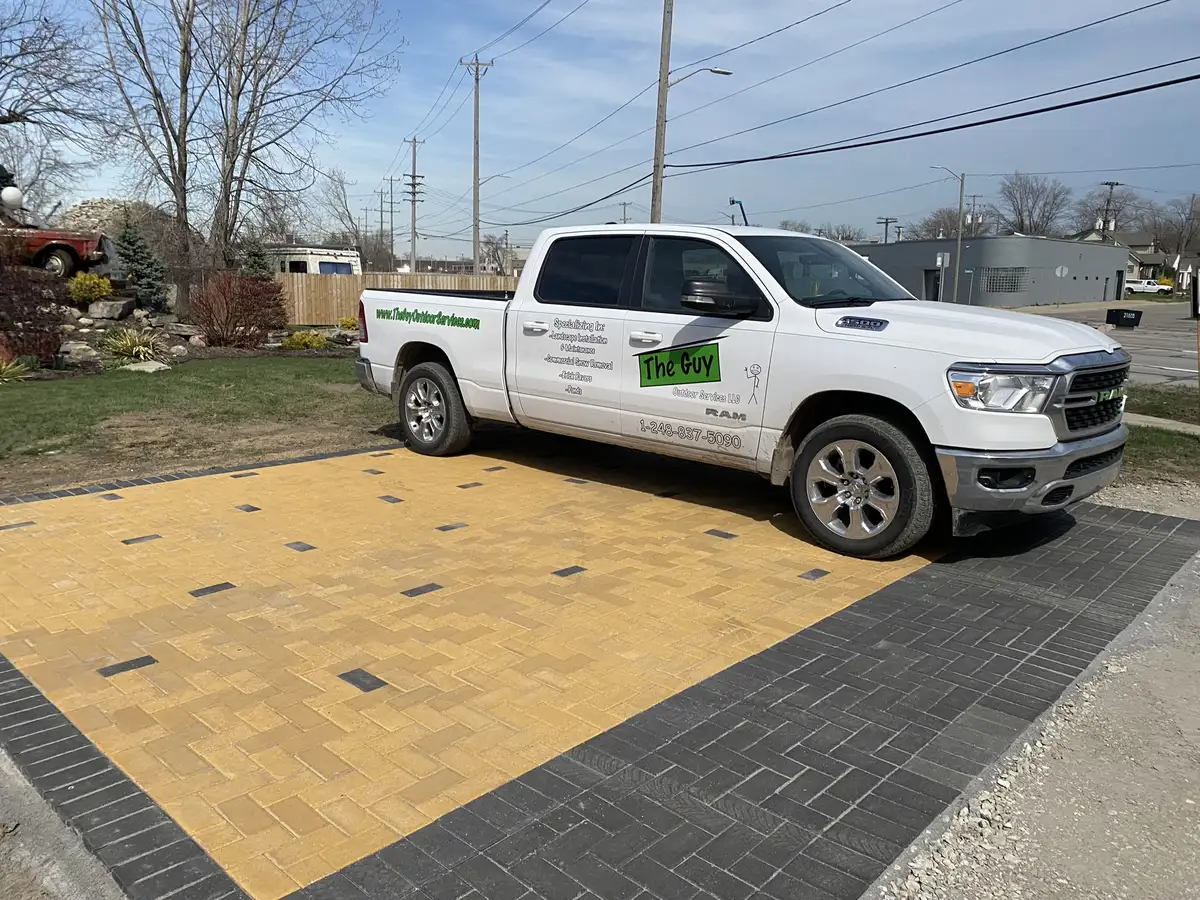
Paver Patio Installation in Warren MI & Metro Detroit
Custom backyard patios built around how you actually use the space: dining, grilling, fire features, lounge seating, and clean transitions from the house to the yard.
Patios Planned Around Furniture, Flow and Michigan Weather
A well-planned patio starts with the backyard living surface itself: patio size, door transitions, grill placement, fire feature clearances, seating walls, steps, drainage pitch, and how the patio connects to lawn, beds, and walkways. For projects that also include driveways, structural walls, or broader masonry work, our hardscaping services can bring those elements into one coordinated plan.
A strong patio starts before excavation. We measure how people will move from the kitchen door to the grill, where a dining table can sit without blocking traffic, how evening sun will affect seating, and whether a future outdoor kitchen or pergola should be planned into the base now. Those choices prevent the common problem of a technically sound patio that feels awkward once furniture arrives.
Our Warren-based crew installs brick paver patios, concrete paver patios, natural stone accents, fire pit pads, seat wall edges, step landings, and patio extensions across Macomb and Oakland County. Every build still uses proper excavation, compacted aggregate, edge restraint, bedding sand or open-graded base where appropriate, and drainage pitch suited to Michigan freeze-thaw cycles.
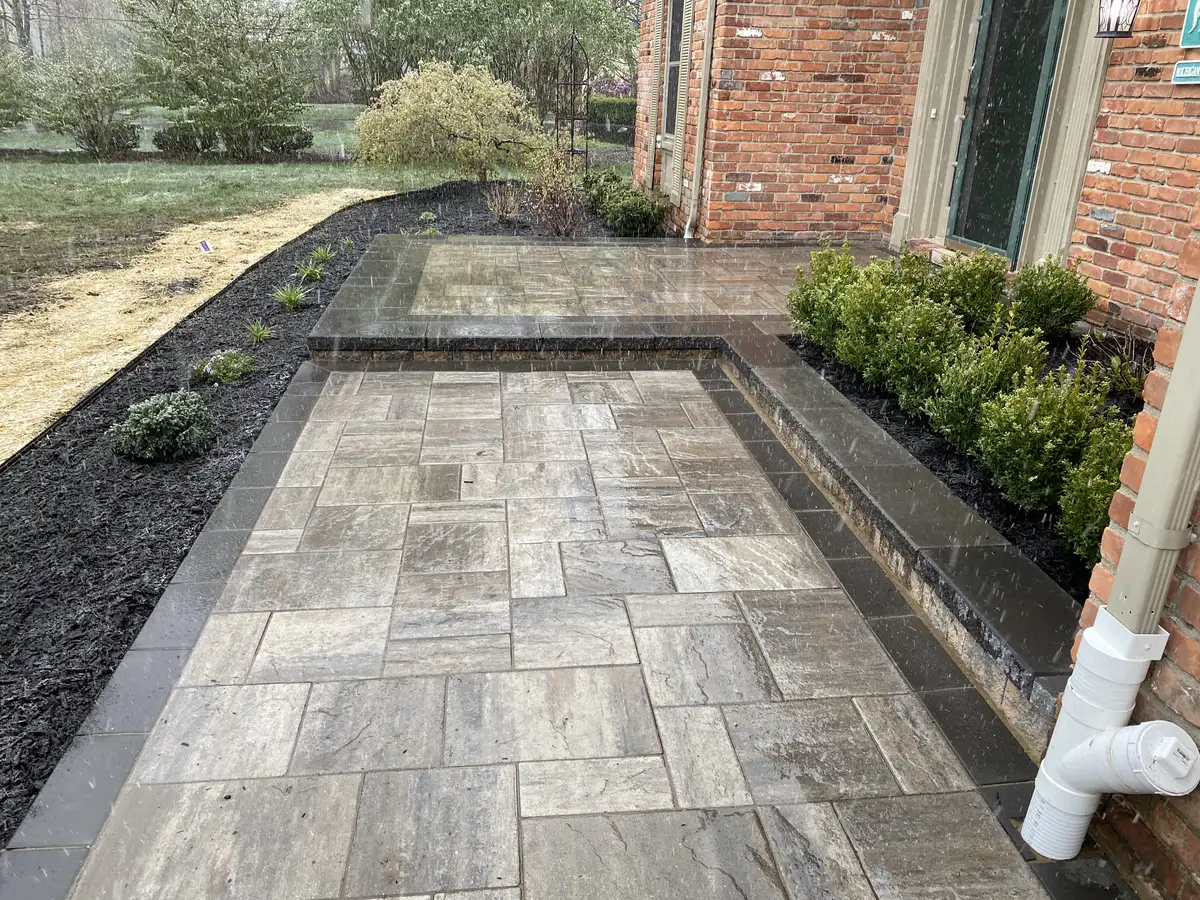
Paver and Stone Choices for Backyard Patios
Patio materials need to fit the home's style, the furniture plan, the maintenance expectations, and the way the patio will age through salt, snow, and freeze-thaw cycles.
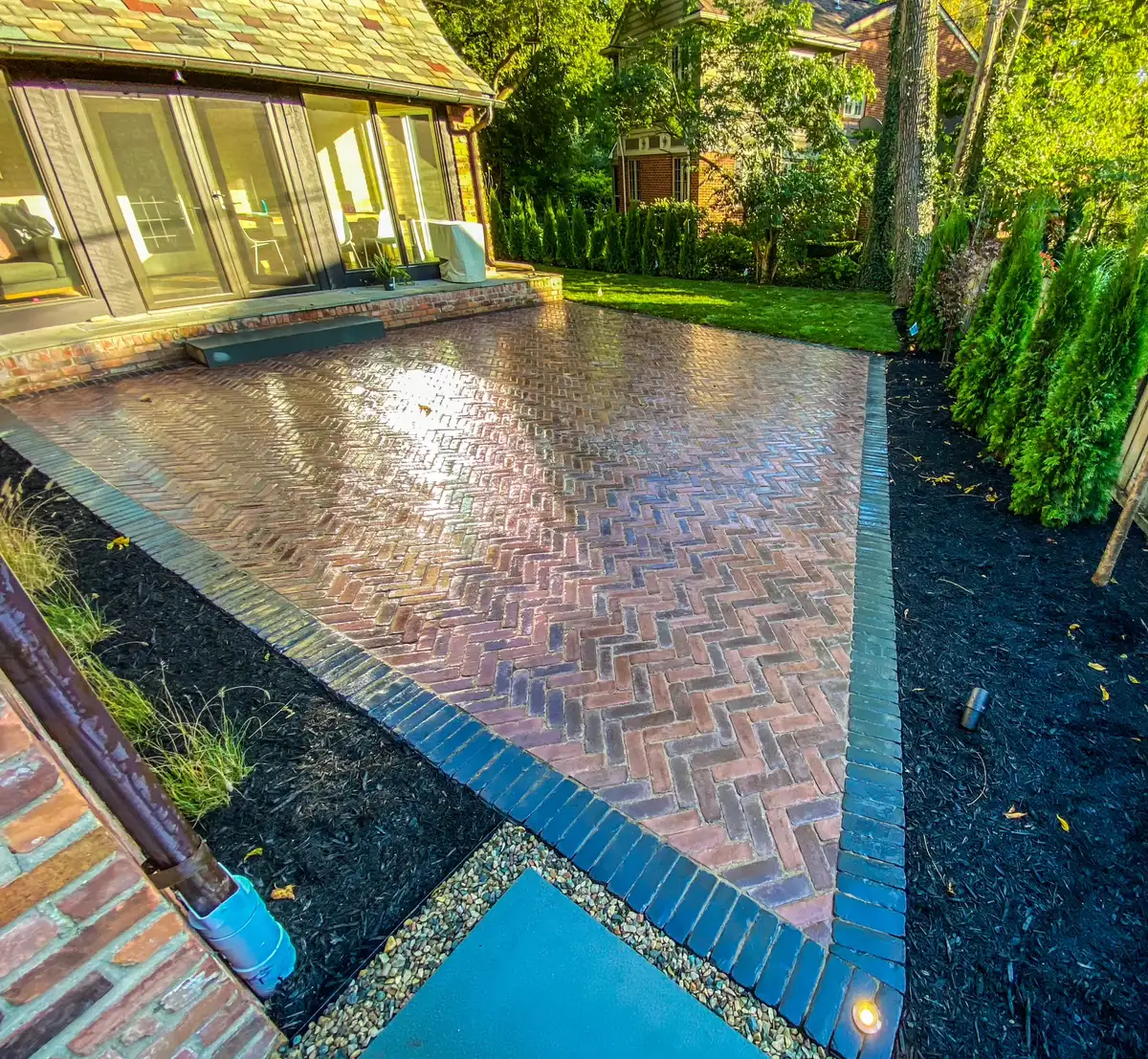
Concrete Paver Patios
Interlocking pavers provide a clean, repairable patio surface with many color blends, textures, and laying patterns. They work well for dining areas, fire pit zones, and patios that may need future access for utilities or drainage.
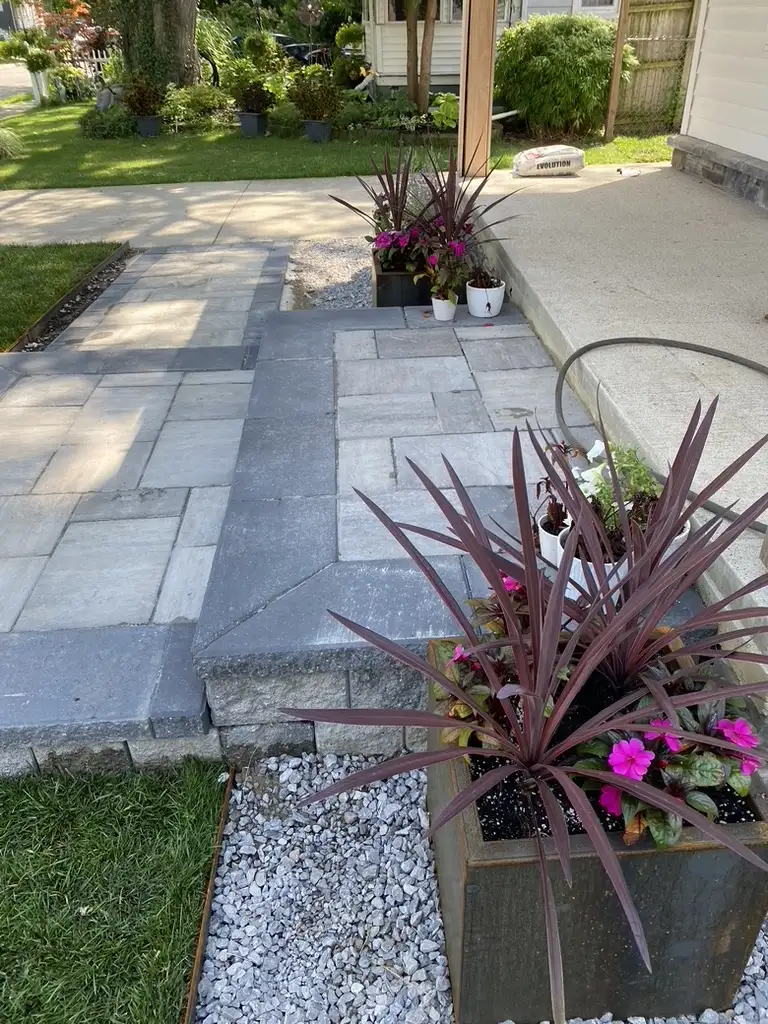
Natural Stone Accents
Bluestone, flagstone, and limestone can define borders, step treads, fire pit surrounds, or premium patio fields where the home calls for a more organic finish. Stone selection must account for thickness, texture, and winter traction.
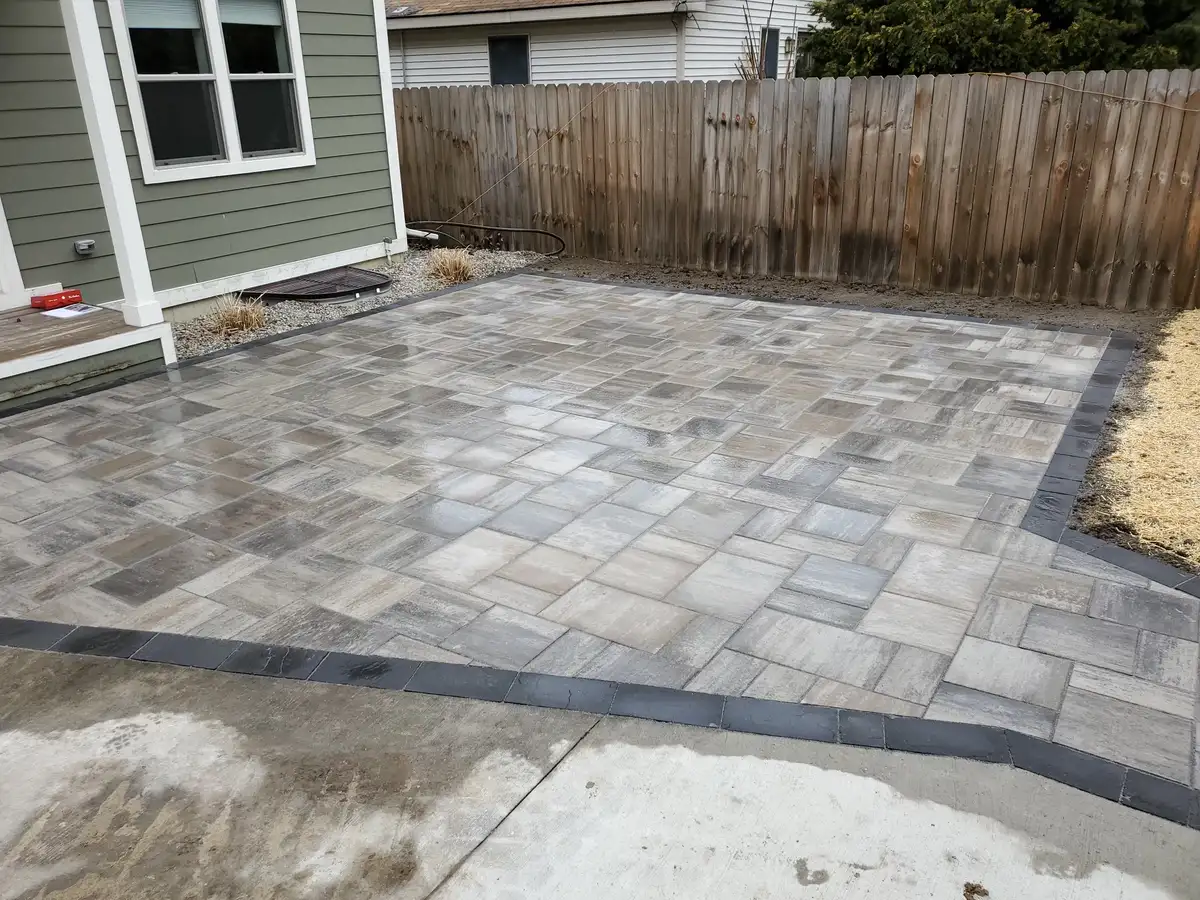
Large-Format Patio Slabs
Modern slab pavers create a cleaner architectural look for contemporary homes and covered patio spaces. They need precise base preparation and handling so the finished surface stays even and comfortable under furniture.
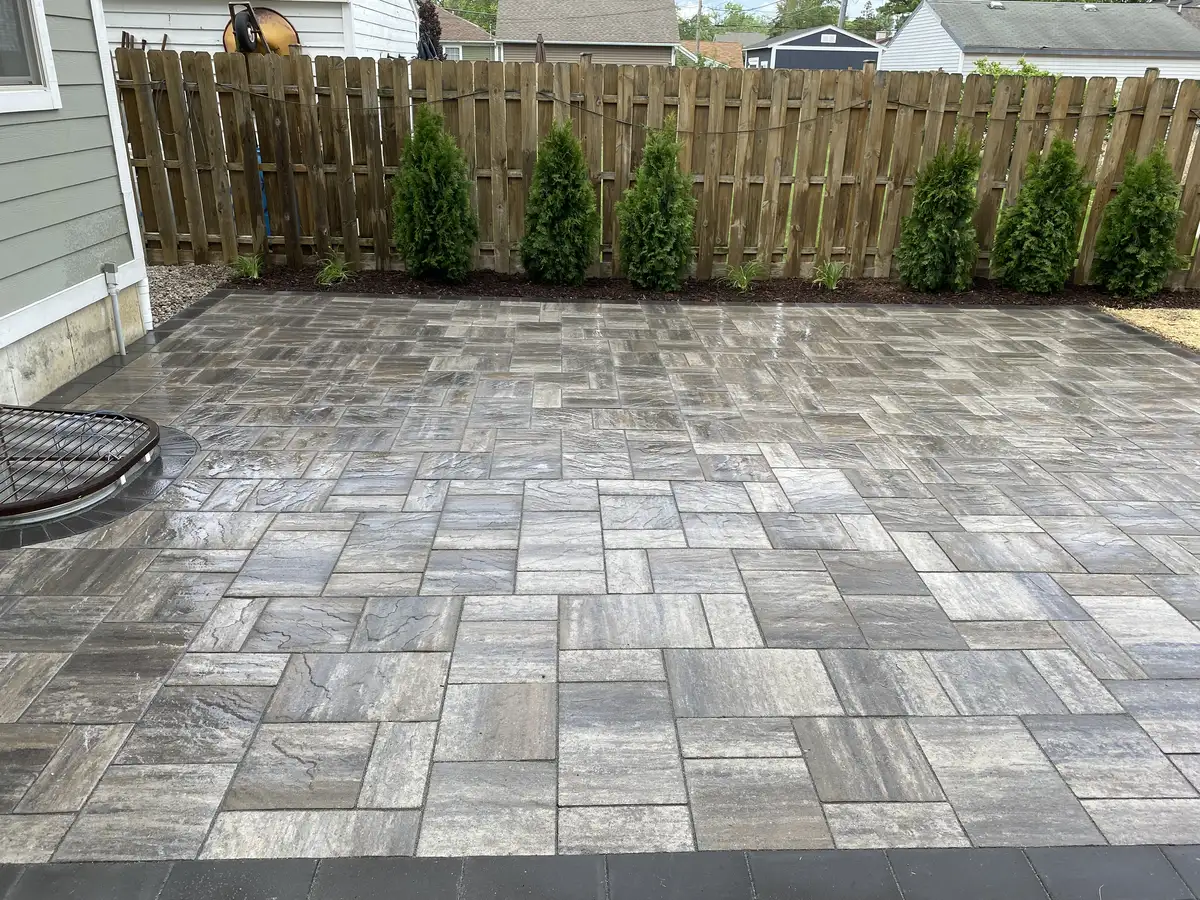
Patio Bases That Stay Flat Through Freeze-Thaw Cycles
Metro Detroit averages more than 100 freeze-thaw cycles per year. On a patio, that stress shows up as rocking chairs, puddles near the door, separated borders, and uneven furniture legs. Our installation specifications are designed so backyard patios shed water and stay comfortable to use season after season.
- Patio pitch set to move water away from the house
- Compacted aggregate base matched to patio size and use
- Geotextile fabric where clay subsoil needs separation
- Step and door thresholds checked before final elevations
- Joint material selected for paver style and exposure
- Edge restraint installed outside furniture and traffic zones
- Drainage corrections planned before the patio traps runoff
- Optional sealers discussed for color retention and salt exposure
Patio Features We Plan and Install
A patio should feel right after the furniture, grill, and guests arrive. We plan the zones that make the space comfortable, practical, and ready for regular use.
Dining and Grill Patios
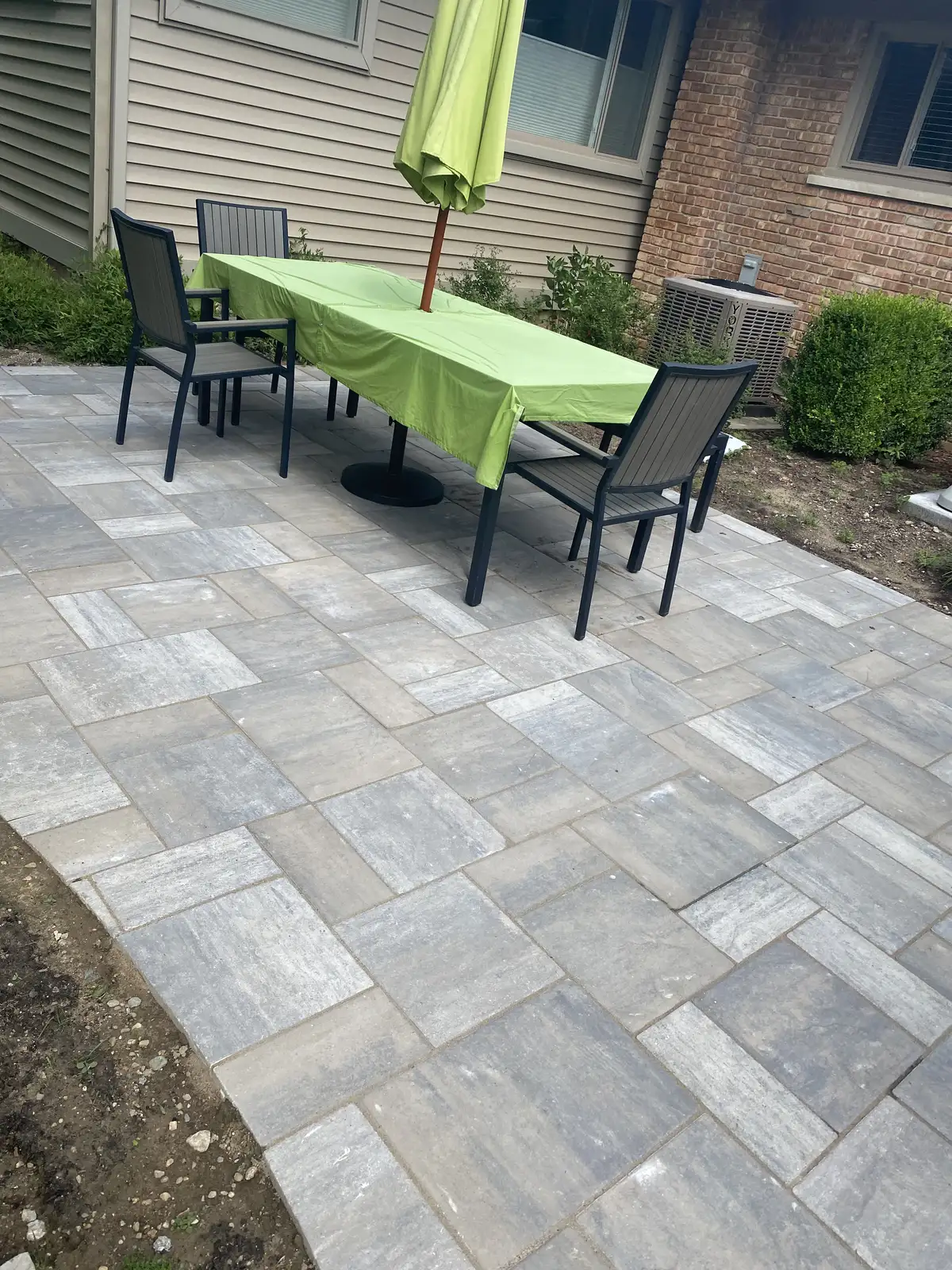
Dining patios need enough clear square footage for chairs to pull back, servers to move around the table, and a grill to sit safely away from siding and traffic paths. We size these zones before selecting paver patterns so the patio does not feel cramped.
Fire Pit Seating Pads
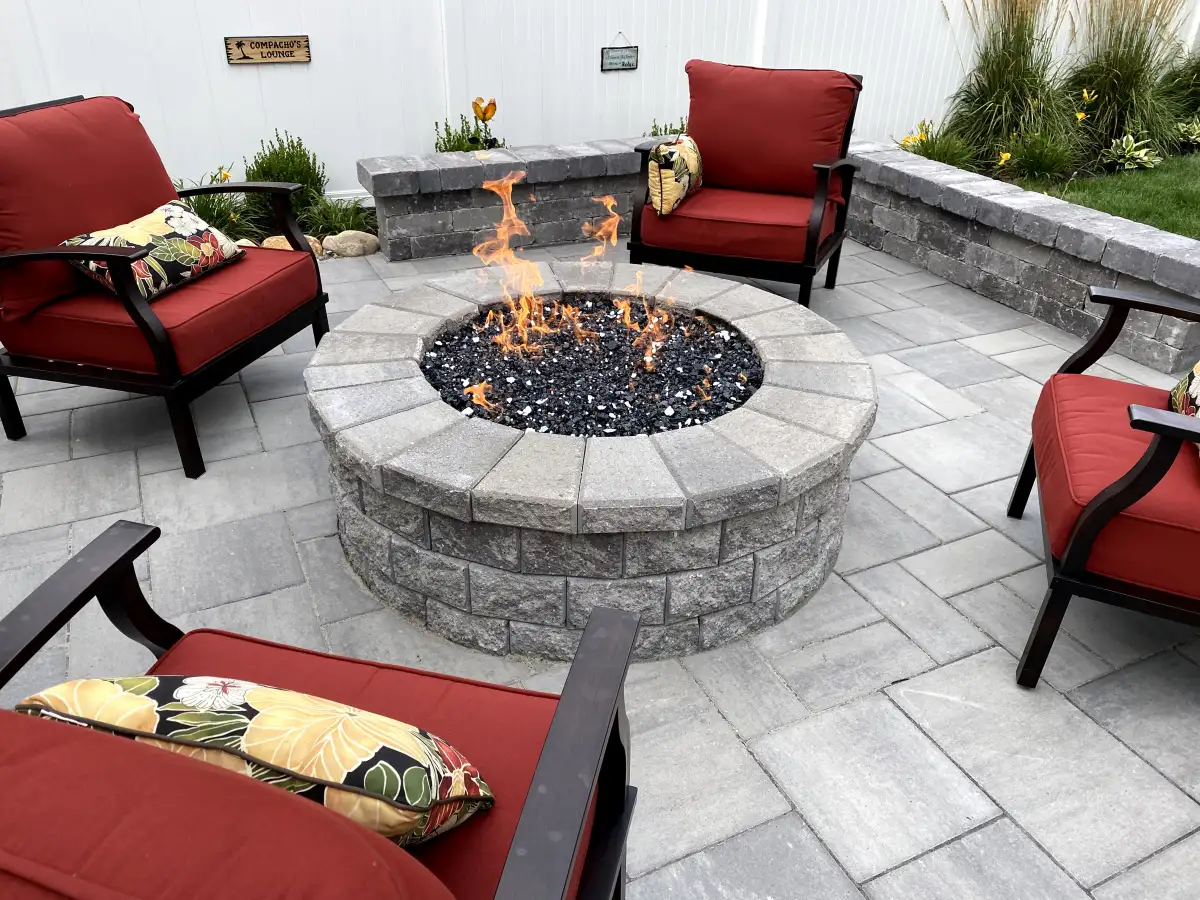
Fire pit patios require different clearances than a basic seating area. We plan space for chairs, safe circulation, wood or gas access, and borders that make the fire feature feel centered instead of dropped onto leftover pavement.
Seat Wall Edges
Low seating walls create definition, handle grade changes, and add overflow seating without filling the patio with furniture. They are especially useful on compact Warren, Royal Oak, and Birmingham lots where every square foot needs to work harder.
Steps and Door Landings
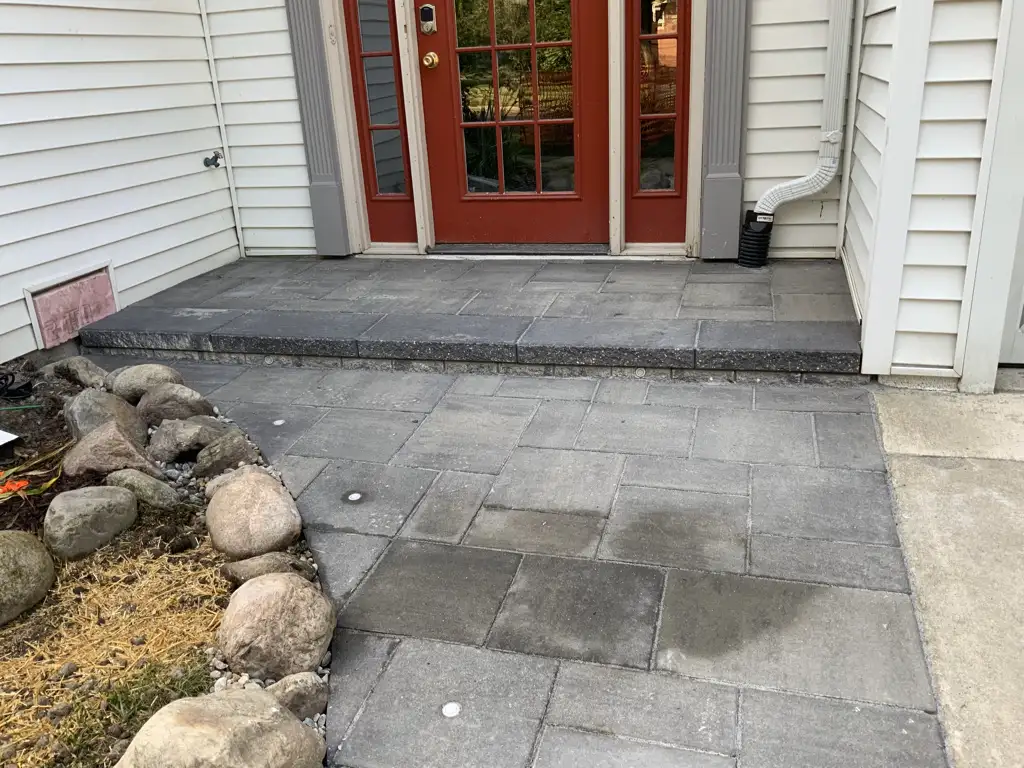
Steps, stoops, and patio landings control how the house connects to the backyard. We coordinate finished elevations so doors, downspouts, beds, and lawn grades all work with the new patio surface.
Our Patio Installation Process
Every patio follows a sequence that starts with how the outdoor room will be used and ends with a surface ready for furniture, traffic, and Michigan weather.
Measure the Outdoor Room
We review door locations, furniture needs, grill placement, grade changes, and traffic paths before recommending the patio footprint.
Set Elevations and Drainage
We establish the finished height, slope, step transitions, and water movement before base material is installed.
Install Pavers, Borders and Steps
Pavers are laid to the approved pattern, cut at borders and transitions, and tied into steps, seat walls, and adjacent landscaping.
Final Sand, Compaction and Walkthrough
We compact the surface, finish the joints, clean the work area, and review the patio with you before the project is complete.
Services Often Added to Patio Projects
The smartest time to plan lighting, kitchens, walls, and planting beds is while the patio footprint is still being designed.
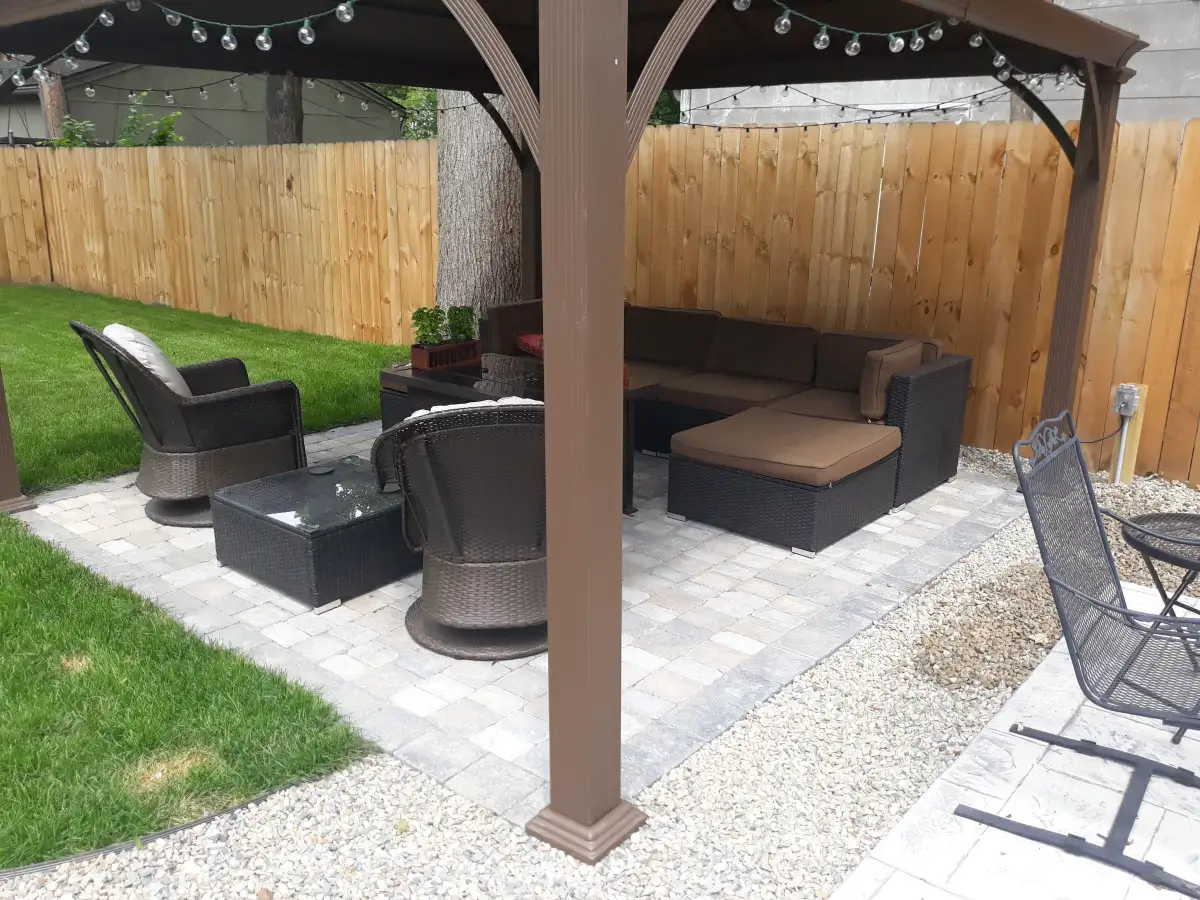
Grill Islands and Serving Stations
Plan grill stations, serving counters, and seating clearances while the patio footprint is still flexible.
Learn More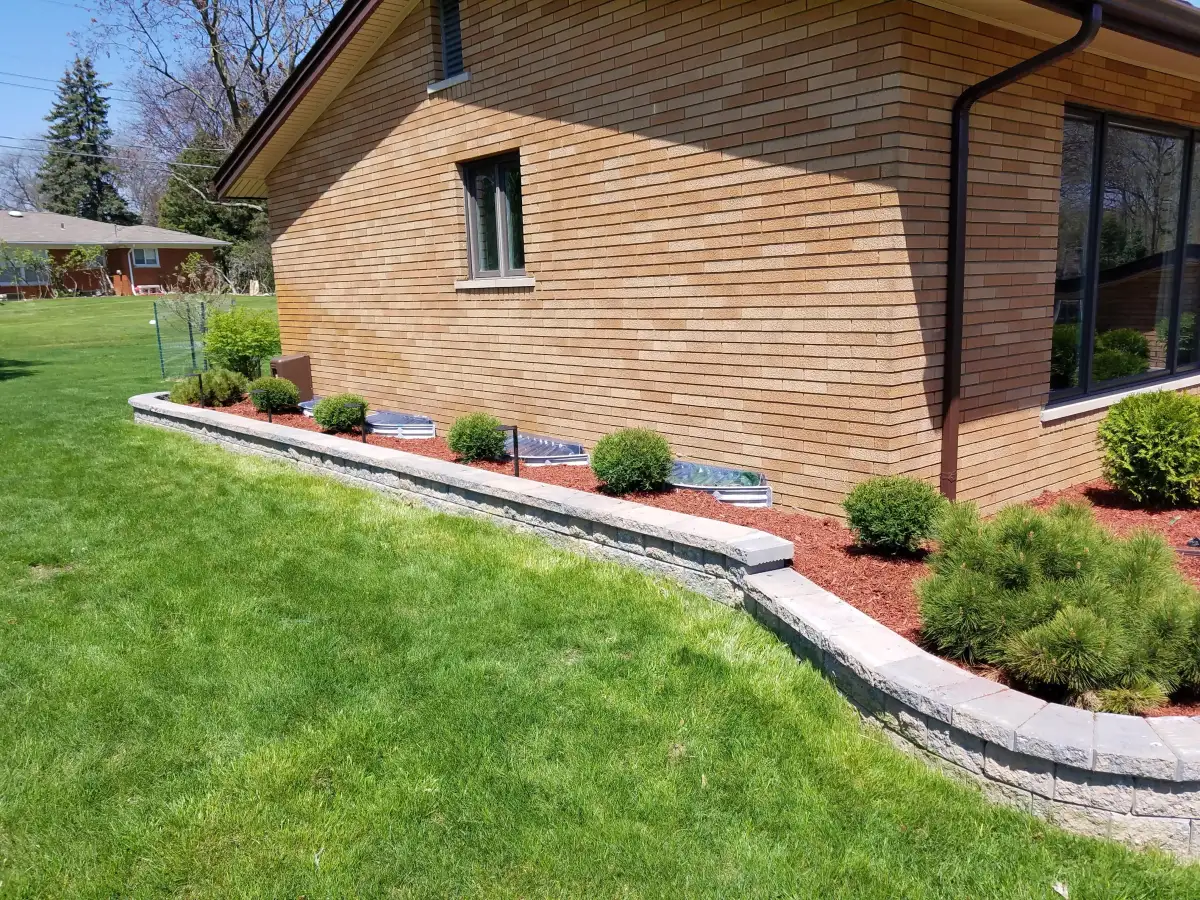
Grade Changes and Seat Walls
Use low walls to solve grade changes, define the patio edge, and add casual seating near fire features.
Learn More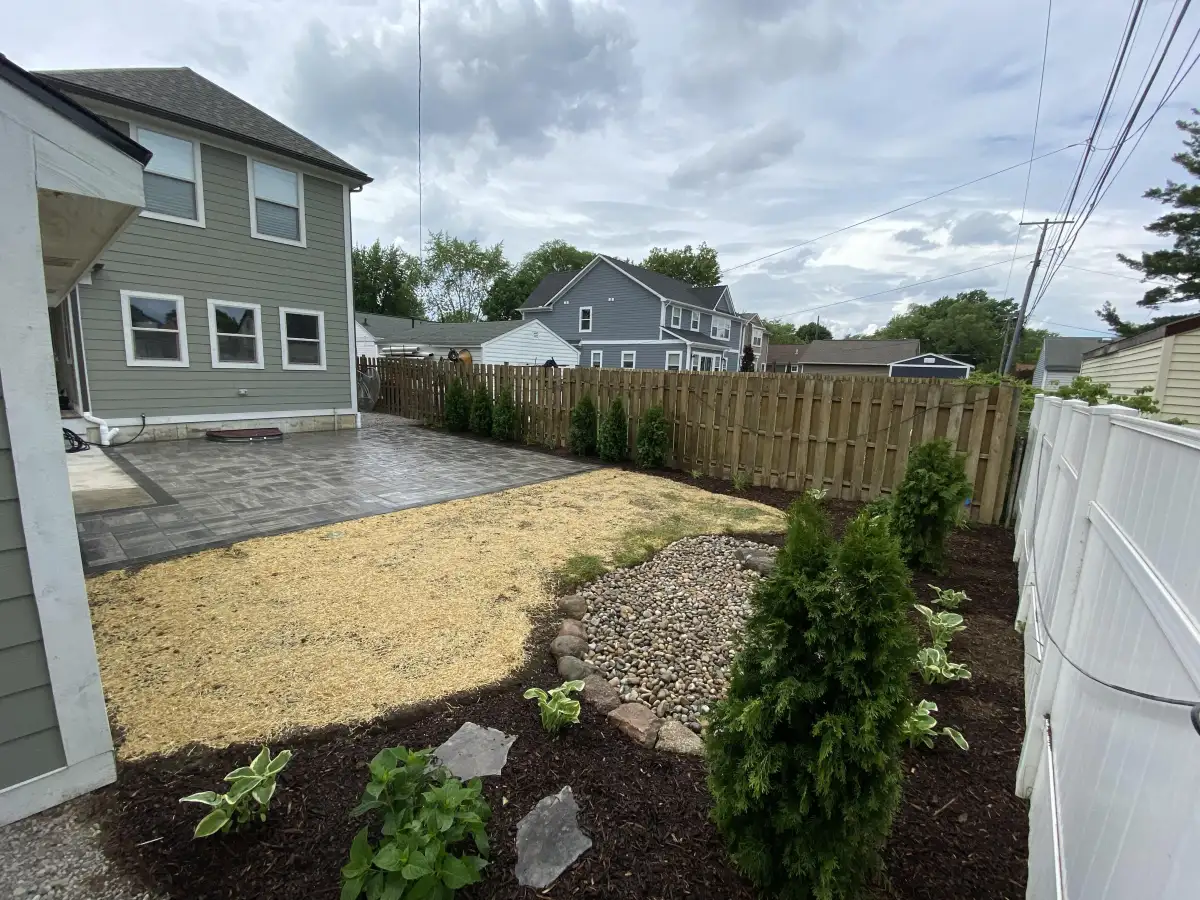
Planting Around the Patio
Soften the new patio with planting beds, sod repairs, mulch, and transitions that make the yard feel finished.
Learn MorePatio Task and Path Lighting
Add step lights, path lights, and subtle accents so dining and walking routes remain usable after sunset.
Learn MoreRepairing and Expanding Existing Patios
Not every patio needs to be demolished. Many Metro Detroit homeowners have a patio that is still worth saving but no longer sits flat, drains well, or fits the way the backyard is used. Settled chairs, uneven borders, failing joint sand, and cramped extensions are common reasons to repair or expand an existing patio.
We start by checking whether the base is still viable. If the patio only needs targeted lifting, new joint sand, edge repairs, or a cleaner transition into a new extension, restoration may make sense. If the base is too shallow or water is trapped below the surface, we explain why rebuilding is the more honest recommendation.
Patio Repair Work We Commonly See
- Lifting and resetting low areas where furniture rocks or water collects
- Replacing failed joint sand after weeds and washout open the gaps
- Cleaning and optional sealing when color has faded or staining is visible
- Swapping cracked or stained pavers when matching units are available
- Resetting edge restraints that have allowed the patio to spread
- Correcting drainage pitch before an extension makes the problem worse
For patios in Warren, Sterling Heights, Troy, and surrounding communities where the original installation was sound, a focused repair can add years of useful life. For patios with widespread settlement, trapped water, or a base that was never built correctly, replacement is usually the better long-term decision.
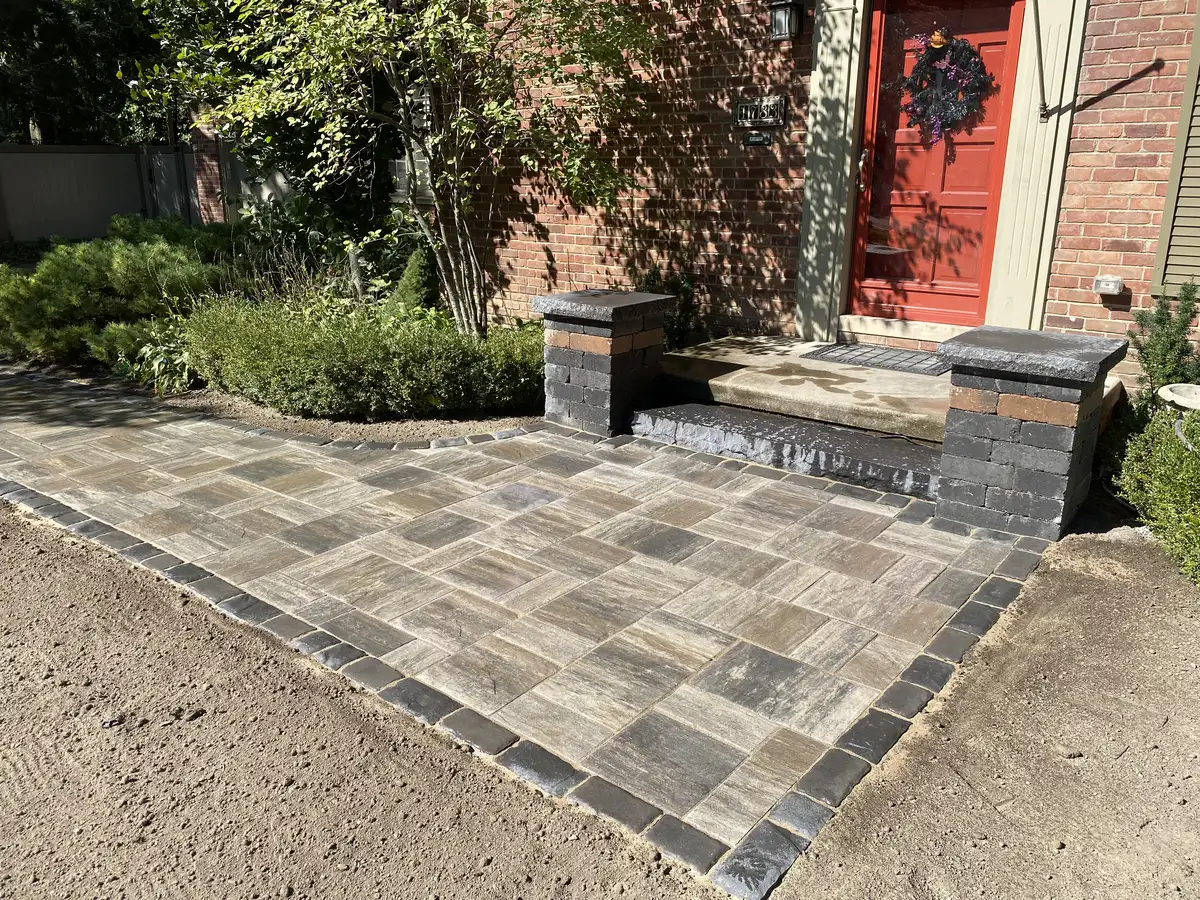
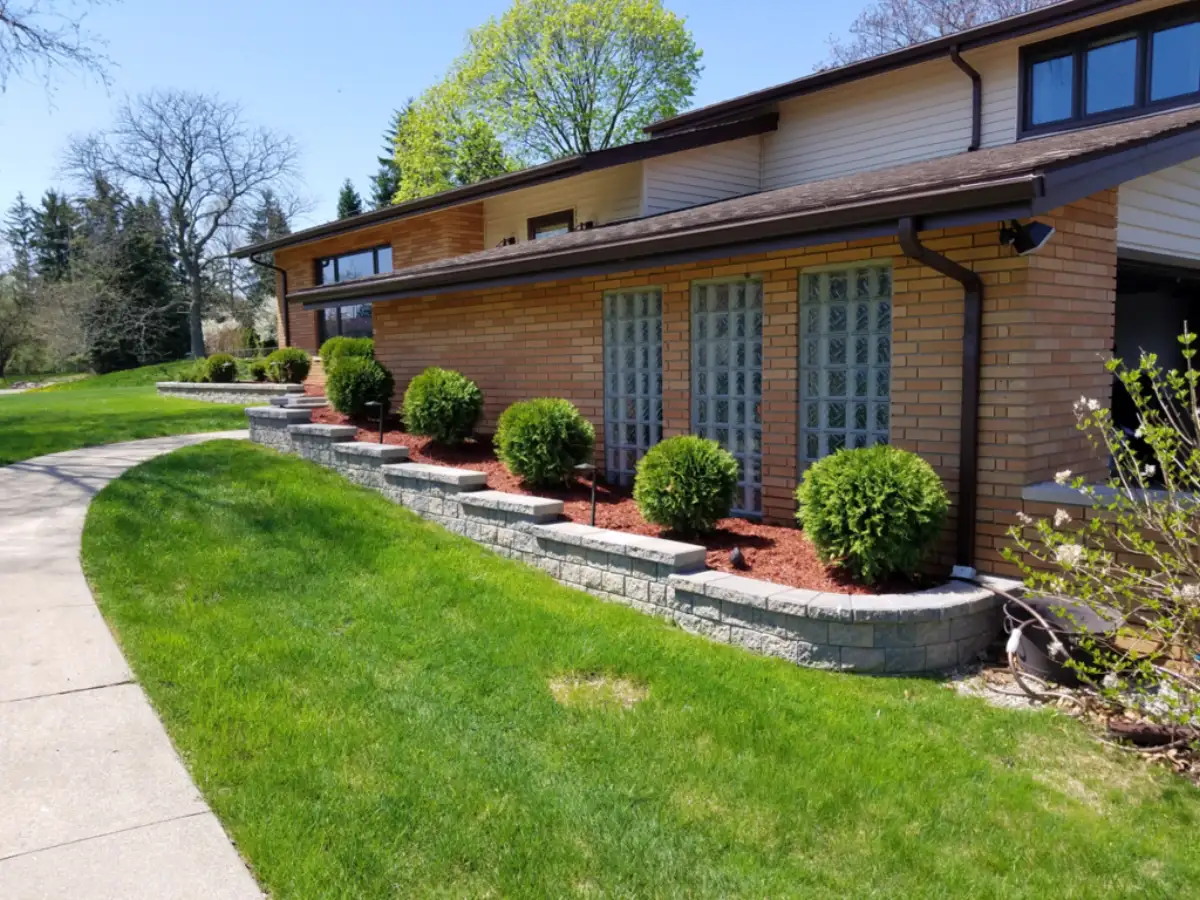
Paver Patio Examples From Local Builds
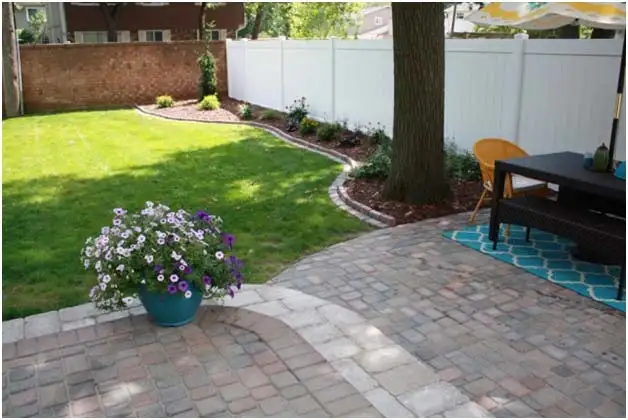
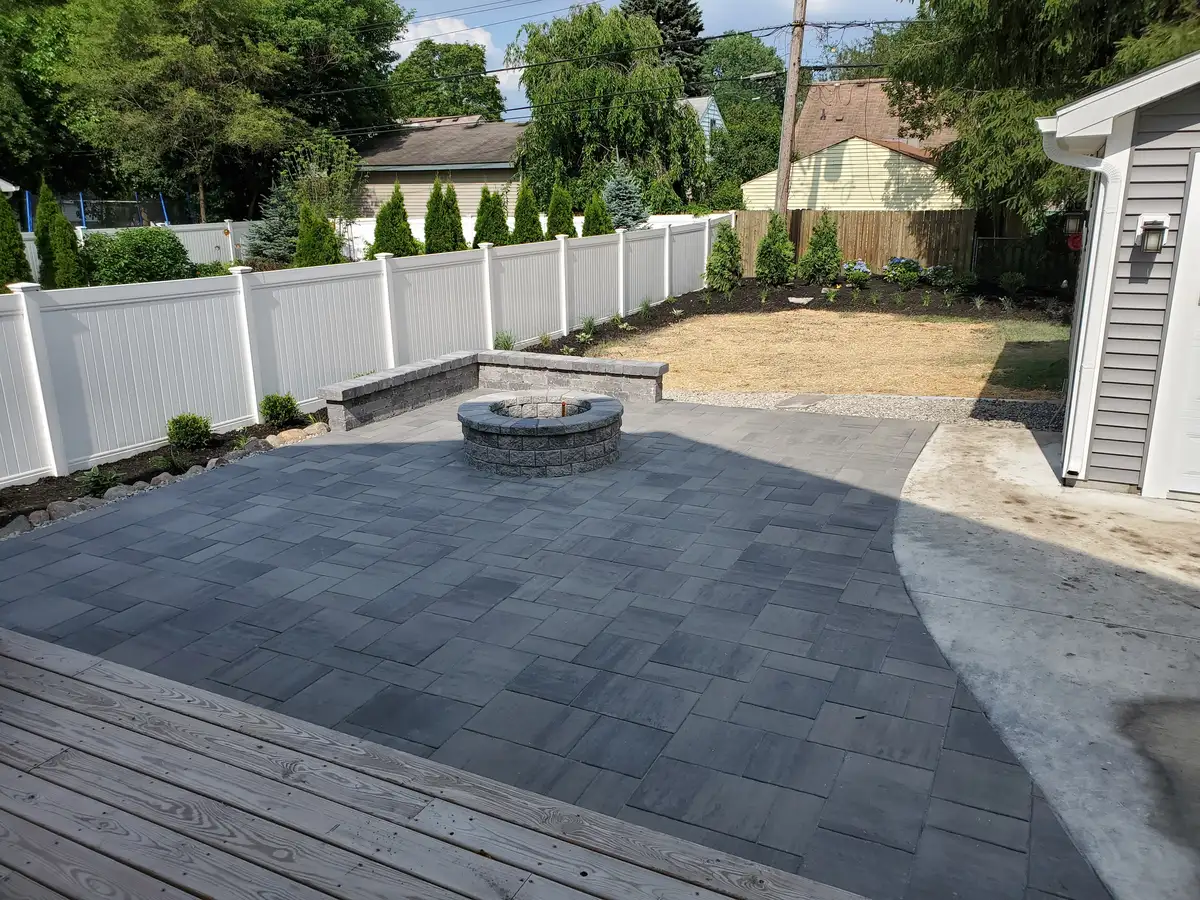
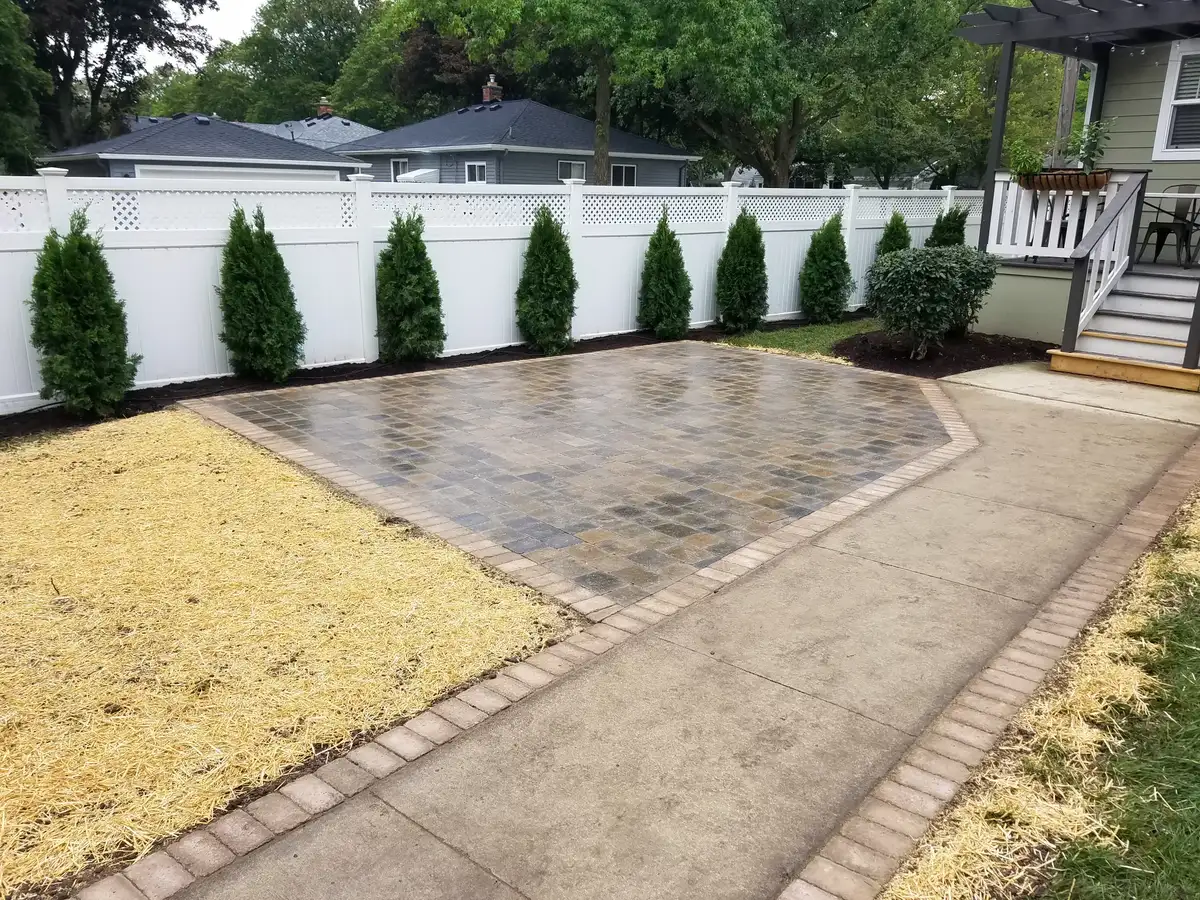
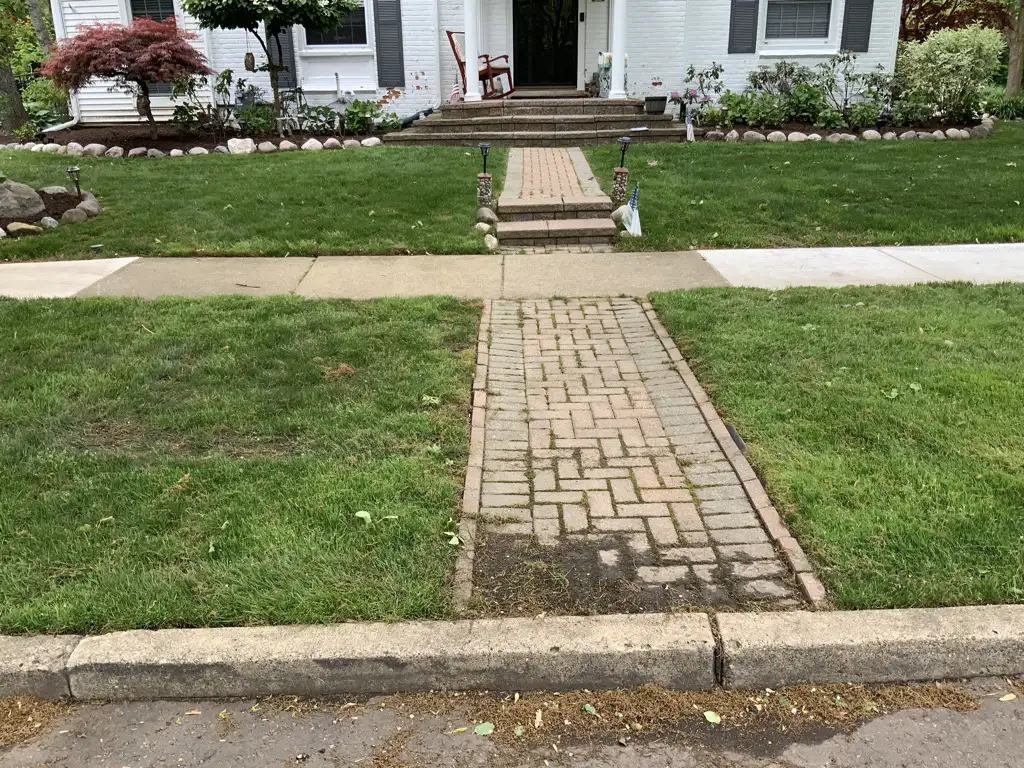
Examples of patio surfaces, borders, steps, and seating areas completed by our crew across Metro Detroit.
Patio Installation FAQ
Answers to common patio planning, material, and installation questions from Metro Detroit homeowners.
A well-built paver patio can last decades in Michigan when the base is deep enough, compacted correctly, pitched for drainage, and restrained at the edges. The visible paver is only one part of the system. Most premature failures happen below the surface.
Concrete pavers are the most common patio choice because they balance durability, repairability, design range, and cost. Natural stone can be beautiful for accents or premium patios, but it requires careful selection for thickness, texture, and winter traction.
Many at-grade patios do not need a building permit, but requirements vary by municipality and proposed scope. Steps, retaining walls, drainage changes, easements, gas lines, electrical work, and covered structures can trigger approvals. We review those conditions during planning.
We prevent movement by controlling water and base stability. That means proper excavation, compacted aggregate, separation fabric when clay soils require it, correct slope away from the house, and edge restraints that stop the patio from creeping outward.
Often, yes. If matching pavers are available, we can blend into the existing field. If not, a border, soldier course, or contrast band can make the expansion look intentional. We also check the old base before connecting new work to it.
Ready to Build a Patio That Fits Your Backyard?
Tell us how you want to use the backyard and what is not working today. We will help size the patio, choose materials, and build a surface that supports real outdoor living.