
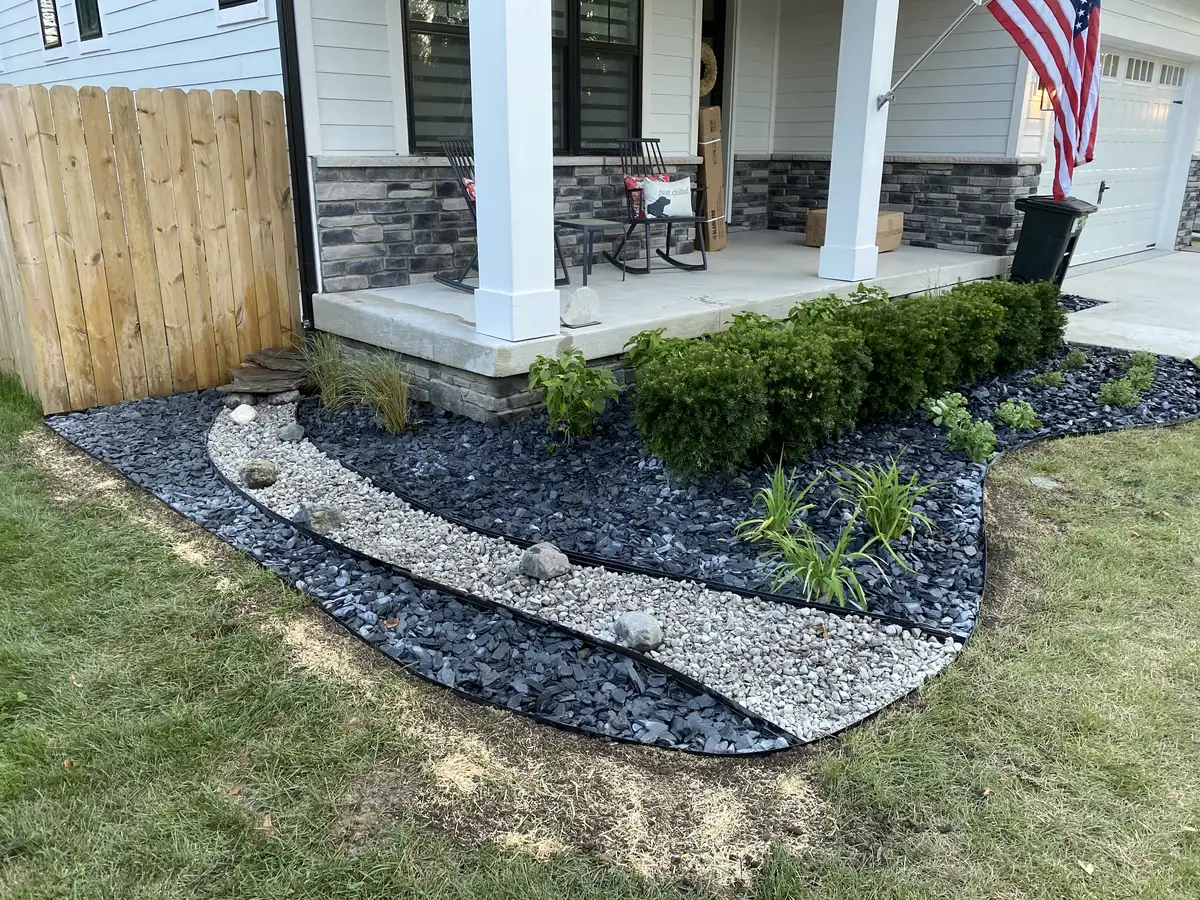
Booking landscaping is easier when the plan begins with what the yard needs to do—not just a list of plants or a fresh layer of mulch. On a Warren property, drainage, soil conditions, sun exposure, access, and the order of work can all affect how a renovated yard looks and performs after installation.
The Guy Outdoor Services provides landscaping across Metro Detroit, including planting beds, sod, mulch, grading, and complete yard improvements. The questions below can help homeowners compare plans for a Warren, Michigan property and understand what is included before choosing a contractor.
Considering a yard update? Walk the property after rain, list the areas that are not working, and decide which results matter most. Then request an estimate so the layout, water movement, materials, access, and maintenance goals can be reviewed together.
Is This Landscaping, Lawn Care, or a Full Yard Renovation?
Start by defining the outcome. Landscaping may include reshaping beds, selecting and installing plants, replacing tired lawn areas, adding mulch, improving grade transitions, or coordinating several of those changes. Lawn care focuses more on recurring mowing and turf maintenance, while landscape design and build is useful when the property needs a coordinated new layout or multiple outdoor features.
A clear project description keeps estimates comparable. “Make the front look better” could mean pruning and mulch, a new planting plan, removal of overgrown material, a new lawn edge, or a complete rework of the approach to the house. Ask each contractor to identify the areas and tasks included in the proposal.
What Should a Landscaping Estimate Include?
The estimate should name the project area, removals, site preparation, grading or drainage work, plant sizes and quantities, lawn and bed work, mulch or other finish materials, cleanup, and any restoration around access routes. If specific products or plants are allowances rather than final selections, that should be clear too.
Compare the sequence as well as the price. Removing old material, correcting grade, installing drainage, preparing soil, placing plants, and completing lawn or mulch work in the right order reduces the chance that finished areas will be disturbed later. For a larger renovation, the Warren landscaping service page provides a broader look at available yard improvements.
Where Will Rainwater and Snowmelt Go?
Water movement should be reviewed before new beds, sod, or decorative material are installed. Watch for low spots, runoff toward the house, wet turf, downspouts that discharge into planned beds, soil washing across walkways, and mulch that moves after storms. Those conditions may point to grading changes or drainage solutions that belong early in the project.
Drainage also affects plant selection. An area that stays wet needs a different plan from a hot, dry bed along a driveway. Correcting the cause of repeated plant or lawn failure is usually more valuable than replacing the same material again.
How Will Plants Be Chosen for the Property?
A planting plan should respond to the conditions of each bed: daily sun, soil moisture, winter exposure, mature plant size, views from the house, and the amount of pruning or cleanup the homeowner wants. Ask how large each plant is expected to become and how its spacing will look after several seasons, not just on installation day.
Also consider practical clearances. Plants should not crowd walks, block windows, hide utility access, or be placed where snow storage and salt exposure create predictable stress. A balanced plan can provide seasonal interest without filling every open space or creating a high-maintenance yard.
Should Sod, Mulch, and Planting Be Scheduled Together?
They often work best as coordinated parts of the same plan. Sod installation may require soil preparation and grade correction that affects adjoining beds. Mulch installation should follow bed preparation and planting so the correct depth can be placed without burying plant crowns or tree trunks.
Ask who is responsible for protecting new sod and plants during the rest of the work, how edges and transitions will be finished, and what the watering expectations will be. Fresh material can make a yard look complete quickly, but establishment care is what helps it take hold.
Can the Yard Be Improved in Phases?
Yes, but the full direction should be considered before the first phase begins. Drainage and major grading belong ahead of finish work. Future patios, lighting, irrigation, walkways, or equipment access should be identified so they do not require cutting through completed beds or lawn later.
Phasing by priority can be practical: solve water problems first, establish the main layout and access, complete the most visible or heavily used area, and then add secondary planting or lighting. Homeowners comparing options can also review the earlier guide on comparing Warren landscaping estimates.
What Maintenance Will the Finished Landscape Need?
Ask about care before approving the final plant list and materials. New sod and plants need consistent watering while they establish. Beds need a plan for weeds, mulch renewal, pruning, and seasonal cleanup. Trees and shrubs chosen for their mature size will generally require less corrective pruning than plants that outgrow their space.
The best plan is one the household can maintain. Be direct about whether you prefer a lower-maintenance landscape, enjoy regular garden care, or expect ongoing professional landscape maintenance. That preference should influence the design from the beginning.
FAQ: Warren Landscaping Before Booking
A useful estimate should identify the project area, removals and site preparation, grading or drainage work, plants and finish materials, lawn or bed work, access considerations, cleanup, and the work included in the quoted price.
Yes. Ponding, runoff toward the house, wet lawn areas, downspout discharge, and eroding beds can affect grading, plant health, and where new landscape features should go. Addressing water movement first helps protect the finished work.
Choose plants for the specific sun, soil moisture, mature size, exposure, and maintenance conditions of each bed. The plan should also account for Michigan winters and leave enough room around walks, windows, utilities, and other plants.
Yes, when the full-property direction is considered before the first phase. Drainage and grading should come before finish work, and future patios, lighting, irrigation, or access routes should be planned so later work does not disturb completed areas.
Ask about initial watering, plant and sod establishment, mulch depth, pruning expectations, seasonal cleanup, weed control, and any follow-up care. The plan should fit the amount of ongoing maintenance you want to handle.