
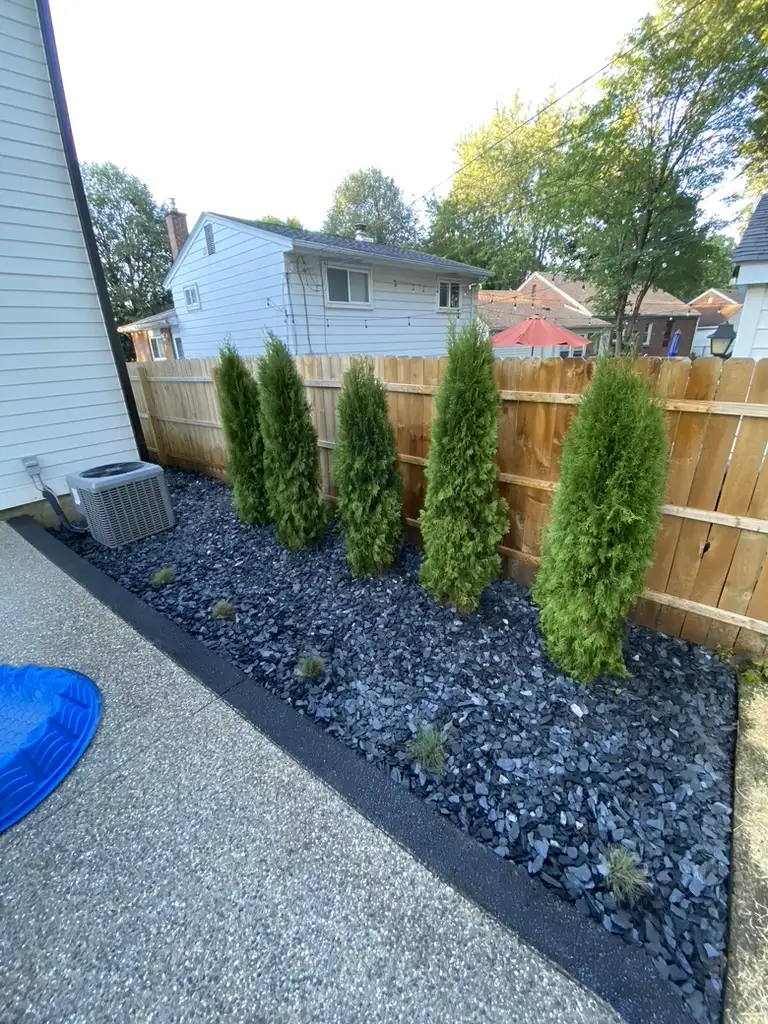
The best time to uncover a landscaping problem is before the estimate is approved. A short conversation about appearance can miss the conditions that shape the work: where water collects, how crews and materials reach the yard, which features may be added later, and how much upkeep fits your routine.
For homeowners comparing landscaping services, the questions below turn a broad idea into a clearer scope. They are especially useful when planning outdoor improvements for a Warren, Michigan property, where rain, snowmelt, seasonal temperature changes, and established lots can expose drainage and access concerns that deserve an early look.
Make the site visit count: walk the yard after rain, photograph the areas that repeatedly struggle, note downspout outlets and low spots, and list any future patio, lighting, or outdoor living plans. Bring those observations to the estimate conversation.
What Needs to Work Better, Not Just Look Better?
Start with the problem instead of a shopping list. A thin lawn, crowded foundation bed, muddy side yard, exposed view, or outdated front approach may each call for a different combination of removal, grading, planting, sod, edging, or finish material. Explain where the problem occurs, when you notice it, and what you want the space to do afterward.
If water is part of the problem, discuss it before new materials cover the evidence. Standing water, soil washing onto pavement, mulch moving during storms, wet turf, and downspouts emptying into low areas can affect the layout and sequence. A review of possible drainage solutions should happen before fresh beds, decorative stone, or lawn are installed.
Is This a Focused Update or a Coordinated Yard Plan?
A focused update might replace overgrown plants, redefine a bed, install mulch, or restore a worn lawn area. A project that connects grading, planting, patios, lighting, or several outdoor zones may benefit from a landscape design-build plan. Ask whether the proposal addresses only the immediate area or considers how future work will connect to it.
Phasing can be practical when the sequence is established first. Work that changes grade, drainage, access, or buried utilities generally needs consideration before planting and finish work. Planning the whole direction now can reduce the chance that a completed bed or new sod must be disturbed later.
What Exactly Is Included in the Written Estimate?
A useful estimate should identify the work area and describe the result in enough detail to compare proposals. Look for removals, site preparation, grading or drainage work, plant types and quantities, material types and amounts, lawn repair, access protection, disposal, cleanup, and restoration. Ask which selections are final and which are allowances or may be substituted.
Price alone cannot show whether two estimates cover the same work. One proposal may include soil preparation, haul-away, and restoration while another leaves those tasks unclear. Ask what is excluded, what conditions could change the scope, and how additional work would be explained and approved.
How Will the Site Shape Plant and Material Choices?
Plant selection should account for sunlight, soil moisture, winter exposure, mature size, and the amount of pruning or seasonal cleanup you want. Ask how each plant is expected to fit after several growing seasons—not only how it looks on installation day. Clearances around walks, windows, utilities, air-conditioning equipment, and snow-storage areas matter too.
Finish materials create their own maintenance decisions. Mulch and decorative stone differ in appearance, bed preparation, weed management, heat, and how easily plants can be changed later. Ask why a material is recommended for that particular bed and what routine care will keep the edge and surface looking intentional.
What Could Affect the Schedule?
Ask about more than a start date. Design decisions, material availability, site access, weather, soil conditions, connected trades, and the needs of new plants or sod can all influence timing. A realistic discussion should explain the expected sequence, which decisions are needed before work begins, and how weather-related changes will be communicated.
If you have a target event or a deadline, share it during the first conversation. That gives the contractor a chance to explain which work may be achievable and which elements require establishment time or follow-up care. It also helps separate a preferred date from a date that the scope can reasonably support.
What Care Will the Finished Landscape Need?
A landscape is easier to live with when its upkeep matches the homeowner’s expectations. Ask about watering during establishment, pruning, bed maintenance, weed control, mulch renewal, seasonal cleanup, and the early signs of plant or lawn stress. If you want a lower-maintenance plan, make that priority clear before the plant list and layout are finalized.
New turf needs the same clarity. Before choosing seed or sod installation, ask how the soil will be prepared, how grade and drainage will be handled, and what watering and traffic limits apply while the lawn establishes. For recurring help after installation, review what is included in landscape maintenance rather than assuming every visit covers the same tasks.
A Quick Checklist for the Estimate Visit
- Name the areas that fail after rain, snowmelt, heat, or regular use.
- Explain the outcome you want and how much maintenance you are comfortable with.
- Discuss future patios, lighting, utilities, fences, or outdoor living features.
- Ask for preparation, quantities, exclusions, cleanup, and restoration in writing.
- Confirm the project sequence, decision deadlines, and change-approval process.
For local service details, explore landscaping in Warren, MI. When you are ready to discuss your yard, request an estimate through the contact page or call (248) 837-5090.
FAQ: Booking Landscaping in Warren, MI
Ask which problems the plan addresses, what preparation and materials are included, how drainage and access affect the work, the expected sequence and schedule, how changes are approved, and what maintenance the finished landscape will require.
Drainage and grading concerns should be reviewed before plants, mulch, decorative stone, or sod are installed. Low spots, moving mulch, soil erosion, wet turf, and downspout discharge can all affect the design and order of work.
A useful estimate identifies the work area, removals, site preparation, grading or drainage work, plant and material quantities, access needs, cleanup, restoration, exclusions, and the process for approving changes.
Book early enough to allow time for a site visit, design decisions, material selection, and scheduling. The appropriate installation window depends on the work involved, weather, soil conditions, material availability, and the care new plants or sod will need.
Compare the scope and finished result, not only the total. Check whether each estimate includes the same preparation, quantities, disposal, cleanup, restoration, and follow-up expectations before deciding which proposal offers the clearest value.