
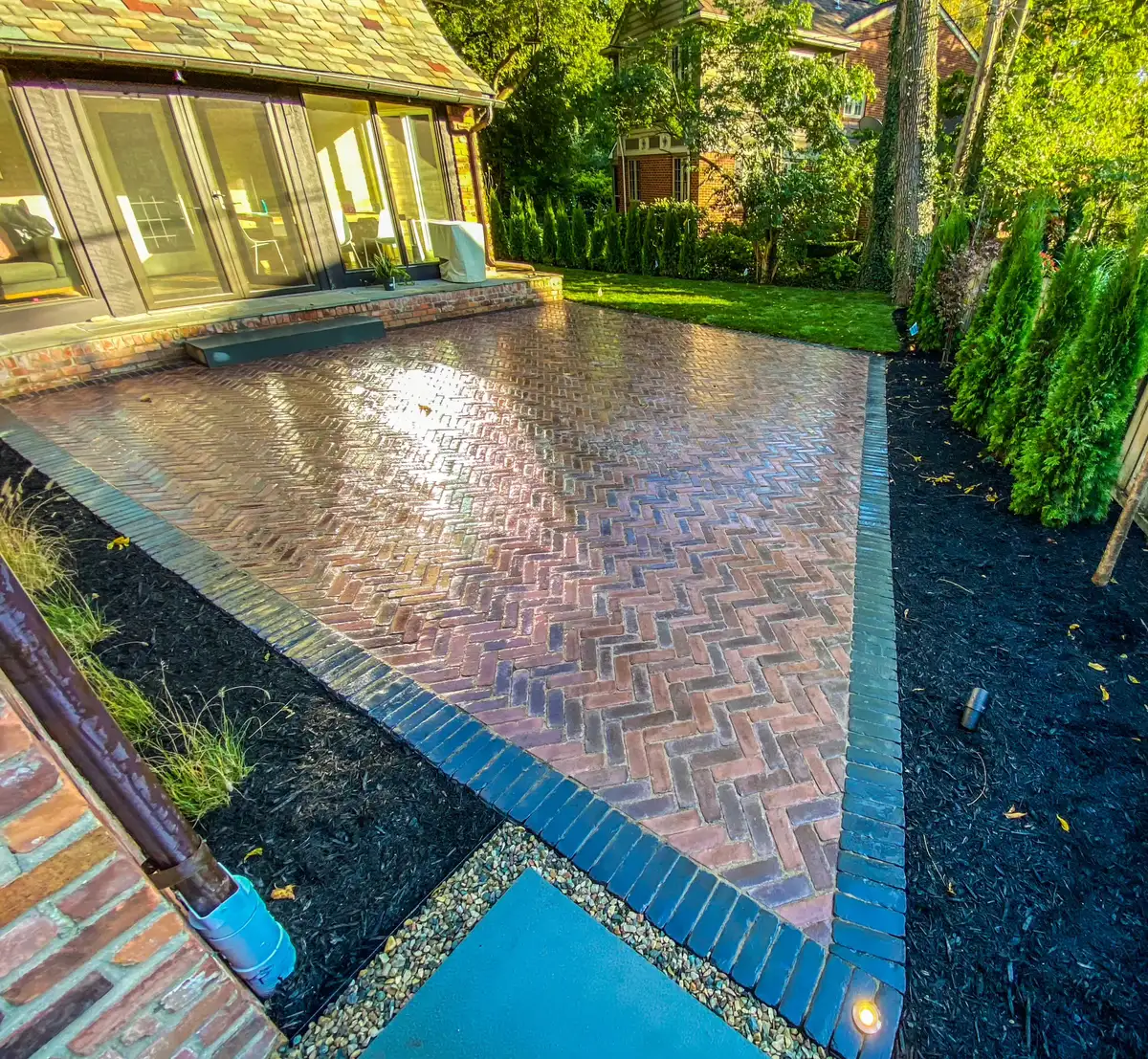
A landscaping proposal should do more than put a price beside a short list of materials. It should explain how the work responds to the property, where the scope begins and ends, and what decisions still need to be made.
That clarity matters when comparing landscaping services in Warren, MI. Two proposals can sound similar while allowing for very different levels of removal, preparation, drainage work, material quantity, cleanup, and aftercare. The questions below help reveal those differences before a start date is reserved.
Read the work, not just the total. If one proposal includes grading, haul-away, edge details, restoration, and establishment care while another leaves those items unclear, the two prices are not yet an equal comparison.
1. What Problem Is This Scope Designed to Solve?
Start by stating the result in practical terms: improve the front approach, create a usable patio edge, replace failed lawn, reduce bed maintenance, or keep water away from a low area. Then ask the contractor to explain which parts of the proposal support that result.
This keeps a material choice from becoming the entire plan. New plants will not correct an unresolved drainage problem, and new sod will not stay successful if the cause of the existing turf failure has not been considered. A larger project may benefit from a coordinated landscape design-build plan, while a focused bed or lawn update may need a narrower scope.
2. What Is Staying, Moving, or Being Removed?
Ask the proposal to identify the actual work area and the existing elements within it. Trees, shrubs, lawn, edging, soil, old hardscape, downspout outlets, irrigation components, lighting, fences, and site furnishings can all affect preparation and access.
“Prepare area” is difficult to compare unless it says what preparation means. Clarify whether the price includes removal, disposal, soil amendment, grading, transplanting, root or stump work, and restoration outside the installation area. If something is meant to remain, ask how it will be protected during the work.
3. Where Will Water Go After the Work Is Finished?
Water movement should be discussed before planting beds, lawn, or paved areas are finalized. Show the estimator where water stands after rain, where downspouts discharge, and where runoff crosses a walkway or reaches a neighboring area. Photographs taken during wet weather can help when the site is dry during the visit.
If the property has pooling, erosion, soggy ground, or repeated turf failure, ask whether drainage or grading work belongs in the scope. The proposal should explain the intended direction of surface water and identify any assumptions that depend on conditions found during excavation. Finish materials should follow that plan instead of covering the warning signs.
4. How Will Crews and Equipment Reach the Work Area?
Access affects both the price and the condition of the surrounding yard. Gate width, fence lines, overhead branches, utility equipment, slopes, steps, driveway use, and the distance from the street can change how materials are delivered and removed.
Ask where equipment and materials will enter, what surfaces may be crossed, and how disturbed lawn or beds will be restored. Also identify private irrigation, lighting, pet fencing, or other lines that may not be covered by a standard utility marking request. A clear access plan reduces surprises once demolition or excavation begins.
5. Are the Materials Specific Enough to Compare?
A proposal does not need to bury the homeowner in technical language, but important selections should be identifiable. Depending on the project, that may include the plant type and size, sod or seed, mulch or decorative stone, edging, paver or wall product, base materials, soil, and lighting components.
Ask whether quantities are based on the measured area and what happens if a specified product is unavailable. Substitutions should be discussed before installation, especially when color, mature plant size, texture, care needs, or compatibility with existing materials affects the finished result. For lawn replacement, confirm whether removal, preparation, grading, and first-season instructions are included with the sod installation.
6. What Has to Happen Before the Scheduled Start?
A projected start depends on more than an open space on the calendar. Final selections, deposits, material availability, weather, soil conditions, utility marking, permit decisions, and access preparation can all affect readiness. Ask which items must be complete before the project can be placed into production.
Not every landscaping project needs a permit, but work involving structures, significant grade changes, drainage impacts, or related construction may have different requirements than planting or routine maintenance. The City of Warren Building Division provides current permit, application, and zoning information. Clarify who will verify and handle any required approval, and check homeowners association rules when they apply.
7. What Care Begins When Installation Ends?
New plants and sod move immediately into an establishment period. Ask who is responsible for watering, what schedule is recommended, how weather changes that guidance, and whom to contact if an issue appears. If irrigation is not available, discuss the practical watering plan before installation.
Also separate one-time installation from recurring landscape maintenance or lawn care. Pruning, weeding, mulch renewal, seasonal cleanup, mowing, and turf treatments should not be assumed to be part of an installation proposal unless they are written into it. Choose a plan whose long-term care fits the time and attention you want to give the yard.
8. How Are Changes Documented Once Work Starts?
Outdoor work can uncover conditions that were not visible during the estimate. The proposal should say how a scope change is communicated and approved. Before additional work proceeds, ask for a written description of what changed, why it is needed, and how it affects price and timing.
Use the same discipline for homeowner-requested additions. A clear written change keeps the base project, optional work, and new decisions separate. It also creates a shared reference if several parts of the property are being improved in phases.
A Simple Proposal Comparison
- Each proposal addresses the same project goal and work area.
- Removal, preparation, grading, installation, cleanup, and restoration are defined.
- Drainage and site-access responsibilities are clear.
- Materials and substitutions can be compared.
- Schedule assumptions and required approvals are identified.
- Aftercare and recurring maintenance are not left to assumption.
- Exclusions, optional work, and change approvals are easy to find.
The right questions make a landscaping proposal easier to trust and easier to compare. If your property is in the Warren service area, review the visible problems, desired result, future plans, and care preferences before the site visit. When you are ready, request an estimate through the contact page to begin a project-specific conversation.
FAQ: Warren Landscaping Proposals
A useful proposal should identify the work area, removals, site preparation, materials and quantities where practical, installation responsibilities, cleanup, restoration, exclusions, schedule assumptions, and aftercare. It should make optional work and changes easy to distinguish from the base scope.
The proposals may include different levels of demolition, grading, drainage correction, base preparation, material quality or quantity, access planning, disposal, restoration, and aftercare. Compare the written scope line by line instead of treating the final totals as if they cover identical work.
Yes when standing water, erosion, runoff, downspout discharge, soggy soil, or repeated turf failure is present. The plan should explain where water will move before finish materials are installed, because later drainage corrections can disturb completed beds and lawn areas.
Requirements depend on the actual scope. Routine planting or maintenance differs from work involving structures, significant grade changes, drainage impacts, or related construction. Homeowners should confirm current requirements with the City of Warren and check any applicable homeowners association rules before work begins.
Ask for a written change that explains the added or removed work, price effect, and schedule effect before the changed work proceeds. A clear approval process protects both the homeowner and contractor from relying on different verbal assumptions.