
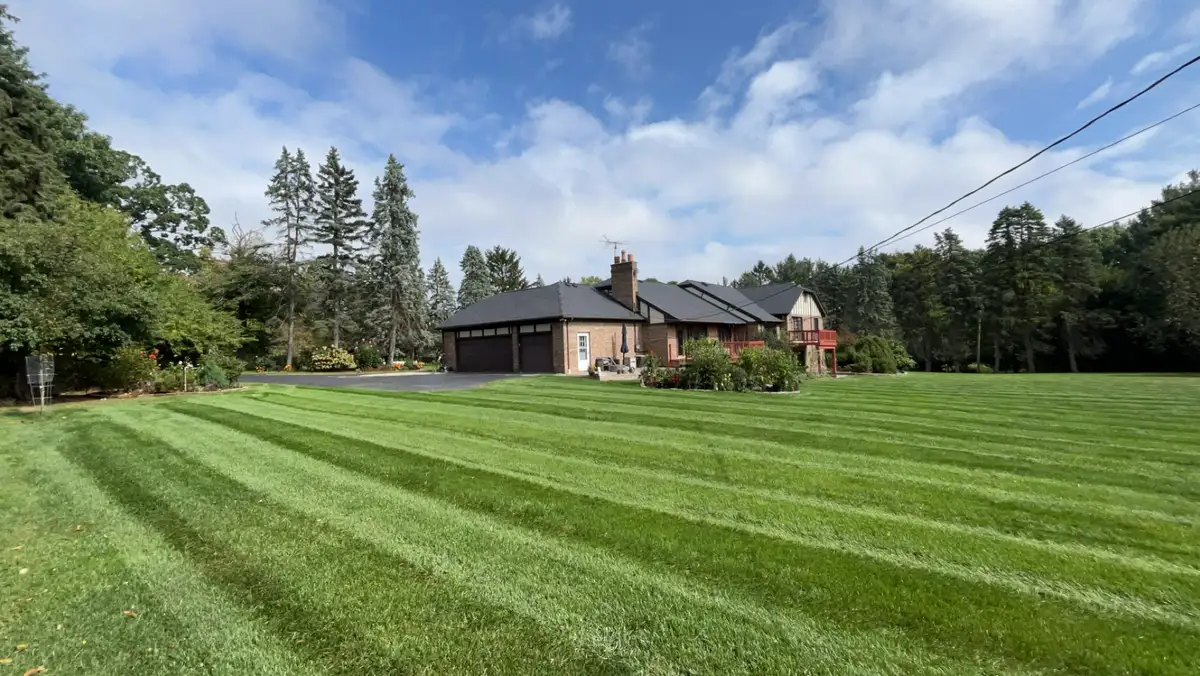
Basic lawn care in Warren-area search results is often advertised with starting prices in the mid-$30s per cut. That is a useful reference point, but not a dependable average for every yard. A recurring mow on a small, open lawn is not the same job as a first cut on tall grass, a corner lot with extensive edging, or a seasonal plan that includes fertilization, aeration, overseeding, and cleanups.
To build a realistic budget, first decide which kind of lawn care you mean. Then compare estimates with the same tasks, frequency, and cleanup responsibilities. A low starting price tells you very little if the services you expect are add-ons.
The short answer: lawn size matters, but so do grass height, visit frequency, trimming and edging, obstacles, gate access, debris handling, seasonal treatments, and the condition of the lawn at the first visit.
First, Define What “Lawn Care” Includes
Lawn care pricing usually falls into three different categories. Keeping them separate prevents an apples-to-oranges estimate comparison.
- Routine mowing: cutting the lawn on a recurring schedule, often with trimming and blowing hard surfaces included.
- Seasonal lawn maintenance: mowing plus selected services such as fertilization, aeration, overseeding, dethatching, weed management, and spring or fall cleanup.
- Corrective or installation work: restoring thin areas, correcting drainage or grading, or replacing failed turf with seed or new sod.
A mowing quote should not be expected to solve compacted soil, chronic standing water, widespread bare areas, or a lawn that needs renovation. Likewise, a seasonal program should spell out which visits and treatments are included instead of relying on a broad “full service” label.
Seven Details That Change Lawn Care Cost
1. Lawn size and usable mowing area
Providers may price by measured lawn area, property size, a route-based minimum, or a combination of those factors. The actual grass area matters more than the lot size. Patios and planting beds reduce turf, while a corner lot may add long curb lines that require more trimming.
2. Weekly, biweekly, or one-time service
Recurring service is easier to plan when the lawn stays within a predictable growth range. A one-time cut or an irregular schedule can require more passes, heavier clipping management, and extra time. During fast spring growth, a longer gap between visits can change the scope even if the yard dimensions have not changed.
3. Grass height at the first visit
Overgrown turf is not simply a normal cut that takes a few minutes longer. Tall or wet grass can require staged mowing, slower equipment movement, and more clipping cleanup. The commonly used one-third rule—avoid removing more than about one-third of the blade at once—also means a neglected lawn may not be brought to its regular height in a single aggressive cut.
4. Trimming, edging, and obstacles
Trees, play equipment, fences, landscape beds, utility boxes, steep slopes, and many small lawn sections increase detail work. Ask whether trimming around obstacles, edging along hard surfaces, and blowing clippings from walks and drives are included in the quoted visit price.
5. Gate width and equipment access
A narrow gate can prevent larger mowing equipment from reaching the backyard. Steps, soft ground, tight side yards, and locked access points also affect the tools and time required. Sharing access details before the first visit helps prevent a price or scheduling surprise.
6. Clippings, leaves, and debris
Routine mulching of normal grass clippings is different from collecting heavy clippings, removing leaves, clearing sticks, or hauling debris. Confirm what stays on site, what is bagged, and whether disposal is included. Spring and fall cleanups should have their own defined scope.
7. Treatments beyond mowing
Fertilization, aeration, overseeding, dethatching, and other lawn work involve different timing, materials, and equipment. A complete lawn care program may combine several of these services, but the proposal should identify each included visit and responsibility.
Why an Hourly Rate Can Be Misleading
“Is $100 an hour too much?” sounds like a simple comparison, but the unit may be unclear. One company may quote one worker, while another price covers a multi-person crew with commercial equipment. Travel, loading, disposal, materials, and insurance may be built into the rate or listed separately.
For recurring mowing, a per-visit total with a defined scope is usually easier to compare than an hourly rate. For cleanup or corrective work, ask how many crew members the price includes, what result is expected, and what happens if the work takes longer than estimated.
Recurring Service or One-Time Yard Work?
Recurring service provides predictable timing and helps keep grass within a manageable mowing range. It can be the better fit when you want the basic maintenance handled throughout the growing season. One-time service may make sense before an event, after a missed period, or when you only need a specific cleanup.
Before comparing prices, check whether a recurring quote assumes weekly service, how rain delays are handled, and whether the schedule changes as growth slows. For a one-time visit, provide current photos and an honest grass-height estimate. That lets the company distinguish a standard cut from an overgrowth or cleanup job.
What a Clear Lawn Care Estimate Should Include
A written lawn care estimate should make the service easy to understand without relying on assumptions. Look for:
- the front, side, backyard, and curb areas included;
- the planned visit frequency and any seasonal schedule changes;
- mowing, trimming, edging, and hard-surface cleanup details;
- the approach to ordinary clippings, heavy clippings, leaves, and debris;
- access requirements and obstacles that affect service;
- any fertilization, aeration, overseeding, or cleanup visits;
- conditions that create an additional charge; and
- weather-delay communication and rescheduling expectations.
If the lawn has recurring puddles, washout, or thin areas that stay wet, mowing alone may not address the cause. Review whether a drainage solution should be considered before paying for repeated turf repair.
Budgeting for Lawn Care in Warren and Metro Detroit
Metro Detroit’s growing season does not create the same workload every week. Spring growth can be rapid, summer heat may slow growth, and fall brings leaf cleanup and preparation for colder weather. A useful proposal explains how the service schedule responds to those changes instead of presenting every visit as identical.
The Guy Outdoor Services provides lawn care from its Warren home base across its listed Metro Detroit service areas. If your home is in the Warren service area, or another community we serve, request an estimate based on your actual lawn rather than relying on a broad online average.
Lawn Care Cost FAQ
There is no dependable average without defining the service. Basic recurring mowing, a one-time overgrown-yard cleanup, and a seasonal program with fertilization, aeration, overseeding, and cleanups are different scopes. Warren-area search results commonly advertise basic mowing from the mid-$30s, but lawn size, frequency, trimming, access, grass height, and included cleanup determine the actual price.
An hourly total is difficult to compare because companies may price by visit, lawn size, crew, or defined scope rather than by one worker's time. Ask what two hours represents, how many crew members are included, which tasks will be completed, and whether equipment, travel, disposal, and materials are part of the charge.
The one-third rule means avoiding removal of more than roughly one-third of the grass blade in a single mowing. Following it can require more frequent cuts during fast growth. A lawn that is already very tall may need staged mowing or a different first-visit scope rather than an unusually low cut.
An hourly rate alone does not show whether a quote is high or low. It may cover a crew, commercial equipment, transport, disposal, insurance, and specialized work. Compare the written scope, crew basis, expected result, exclusions, and total price instead of evaluating one hourly number in isolation.
A clear estimate should identify the lawn areas included, visit frequency, mowing-height approach, trimming and edging, clipping and debris handling, obstacles or access limits, seasonal services, extra-charge conditions, and how weather-related schedule changes are handled.