
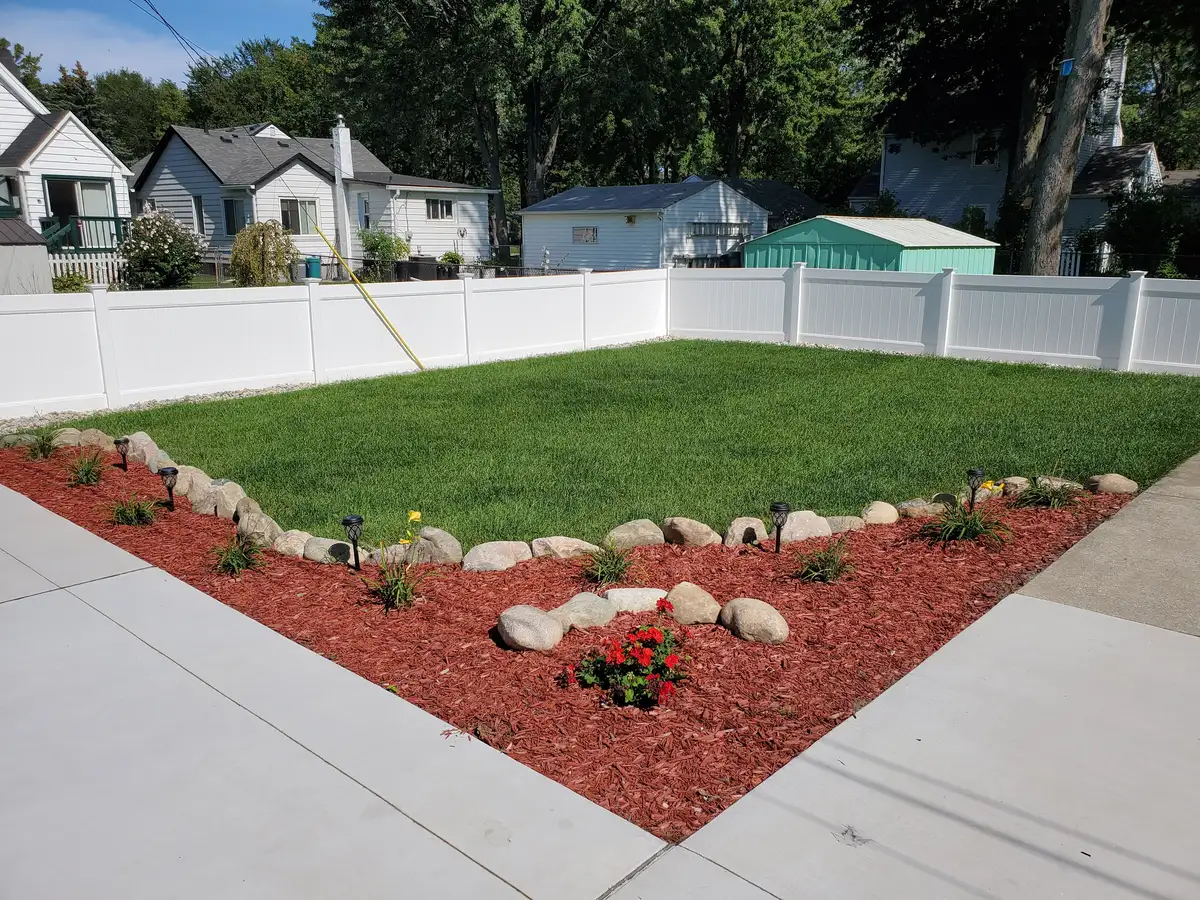
The honest answer is that sod installation cost cannot be determined from lawn size alone. Two yards with the same square footage can require very different amounts of removal, grading, soil correction, access time, and drainage work before the first roll is placed.
A useful estimate separates the visible product—the sod—from the preparation that helps it establish. That is especially important when an existing lawn failed because of compacted soil, standing water, construction debris, or an uneven grade. Covering the same condition with new turf may produce a quick visual change without solving the underlying problem.
The short version: expect the quote to reflect lawn area, removal and disposal, soil and grading needs, access, sod selection, installation labor, cleanup, and the plan for watering. Compare those items before comparing totals.
The Six Factors That Shape Sod Installation Cost
1. Measured lawn area and layout
The installer first determines how much turf the finished lawn needs. A simple rectangular yard is faster to measure and lay than an area broken up by trees, curved planting beds, walkways, utility boxes, or narrow side yards. More edges and irregular shapes create additional cuts and affect the amount of sod that must be ordered.
For an early planning number, divide the yard into simple rectangles and multiply length by width for each section. Subtract patios, beds, sheds, and other permanent non-lawn areas. Treat that as a conversation starter—not a final order quantity—because the contractor still needs to verify dimensions and account for cuts.
2. Removal and disposal
An open area of already-prepared soil is a different project from a lawn covered with old turf, weeds, roots, rock, or construction debris. The quote should make clear what will be removed, how deeply the area will be worked, where excavated material will go, and whether haul-away is included.
This line item can also reveal whether two bids describe the same job. One proposal may include full removal and disposal while another assumes the homeowner will deliver a clean, ready surface. Those totals are not directly comparable.
3. Soil preparation, grading, and drainage
This is often the largest variable because it depends on the existing property. New sod needs an even, prepared soil surface and good contact underneath. Compaction may need to be relieved. Low spots may need correction. The final grade needs to move water appropriately instead of trapping it against a building, walkway, or fence line.
If the old lawn stayed soggy, washed out, or repeatedly thinned in the same places, ask whether a drainage solution should be evaluated before sod. A quote that includes grading or soil work may cost more than one that starts at installation, but it may also be addressing a different and more complete scope.
4. Site access
Wide, direct access can allow materials and equipment to move efficiently. Narrow gates, fenced yards, steep slopes, steps, delicate paved areas, and long distances from the delivery point can shift more of the work to hand labor. Tell the estimator about access restrictions early so the proposal reflects the actual route into the work area.
5. Sod selection, delivery, and timing
Sod is a living material that needs coordinated delivery, installation, and watering. The grass blend, supplier availability, order size, and delivery logistics all affect the project. Weather and soil conditions can also change when the site is ready to work.
Moderate spring and fall conditions can make establishment easier for cool-season turf, while hotter periods demand closer attention to watering. The right timing is less about choosing one universal month and more about having the prepared site, sod delivery, installation crew, and watering plan aligned.
6. Finishing work and early care
A complete scope should explain edge trimming, rolling or other steps used to establish soil contact, initial watering, cleanup, and any restoration outside the lawn area. It should also identify who is responsible for watering after installation and what instructions will be provided.
Early care is not a minor detail. Dry edges, opening seams, excess traffic, or uneven watering can create problems before roots have anchored. If you will rely on hoses and sprinklers, confirm that the full area can be watered consistently before the installation date.
What Should a Sod Installation Estimate Include?
Before choosing a contractor, make sure each proposal answers the same questions:
- What lawn area was measured, and what boundaries are included?
- Will old turf, weeds, roots, rock, or debris be removed?
- Are disposal and haul-away included?
- What soil preparation, topsoil, or compaction correction is included?
- Will the final grade and visible drainage concerns be addressed?
- What sod type or blend is being supplied?
- Are delivery, installation, edge work, cleanup, and first watering included?
- What must the homeowner do before arrival and during establishment?
The lowest total is not necessarily the lowest cost for the same outcome. First check whether the proposals include the same preparation, materials, cleanup, and care expectations. If one leaves those items unclear, ask for the scope to be completed in writing before deciding.
Can You Reduce the Cost Without Cutting the Wrong Step?
Start with scope clarity. Installing only the areas that truly need replacement, resolving access before the crew arrives, and removing movable obstacles can make planning easier. If you want to handle any removal or watering yourself, discuss it before the estimate so responsibilities and readiness standards are clear.
Be cautious about saving money by skipping soil preparation or ignoring drainage. Those are not cosmetic extras when the site has compaction, debris, settlement, or recurring wet spots. A smaller properly prepared installation may be a better use of the budget than covering a larger problem area without correcting the cause.
Professional Installation or DIY?
DIY can reduce paid labor, but it does not remove the need to measure, order, schedule delivery, remove the existing surface, prepare the soil, establish grade, install fresh material promptly, and begin watering. It also puts material handling, disposal, tools, and weather coordination on the homeowner.
Professional sod installation is most valuable when the property needs grading, soil correction, drainage judgment, extensive removal, or coordinated delivery and installation. A small, accessible patch on prepared ground is a different decision from rebuilding an entire lawn.
Planning a Sod Estimate in Warren and Metro Detroit
Before the site visit, sketch the intended lawn boundaries, take approximate measurements, photograph any areas that hold water after rain, and note access points. Also explain why the current lawn failed, if known, and how the new turf will be watered.
The Guy Outdoor Services provides sod installation from its Warren home base across the listed Metro Detroit service areas. Homeowners in the Warren service area can use this checklist to prepare for a property-specific review. For an estimate based on the actual site, send your project details through the contact page.
Sod Installation Cost FAQ
Contractors generally price sod installation from the measured lawn area plus the work needed to make the site ready. Removal and disposal, soil preparation, grading, drainage correction, access, sod selection, cleanup, and early-care responsibilities can all change the total. A site visit and written scope are more dependable than a square-foot figure by itself.
Bare dirt is not automatically ready for sod. The surface still needs to be checked for debris, compaction, low spots, drainage, soil condition, and the final grade. Sod needs even contact with a prepared soil surface so roots can establish and water does not collect underneath it.
There is no single best month for every property. Moderate spring and fall conditions can make establishment easier for cool-season turf, but soil condition, sod availability, weather, and the ability to water consistently matter more than the calendar alone. Hot or dry conditions require closer watering attention.
Watch for lifting corners, widening seams, drying edges, uneven color, footprints that remain compressed, pooling water, or sections that do not begin anchoring to the soil. These signs can point to poor soil contact, uneven watering, drainage trouble, heat stress, or traffic too early in the establishment period.
Measure the approximate lawn area, identify what must be removed, photograph low or soggy areas, note narrow gates or limited access, and explain how the lawn will be watered. The contractor should still verify the measurements and site conditions before providing the final scope.