
Landscaping does not have one reliable cost per square foot, per hour, or per month. Those pricing methods describe different kinds of work, and none of them answers the real budgeting question by itself: what must be corrected, what do you want installed, and what will the finished yard need afterward?
For homeowners in Warren and across Metro Detroit, a useful landscaping budget has three layers. First comes the site work that makes the improvement viable. Second is the visible result—lawn, beds, plants, walks, walls, lighting, or outdoor living features. Third is the first season of watering and maintenance that protects the result.
The short answer: price the problem, the finished improvement, and the first year of care as separate parts of one plan. That structure produces a more realistic budget than multiplying the yard size by a national average.
Build the Budget in Three Layers
1. Correct what could make the new work fail
Start with conditions that affect performance: standing water, poor grade, compacted soil, unstable edges, failing turf, buried roots, or material that must be removed. This layer may include demolition, haul-away, soil preparation, grading, or a drainage solution. It is not the most visible part of the project, but it determines whether the finish has a sound base.
2. Choose the visible improvement
This is what you expect to see and use when the project is complete: cleaner planting beds, selected shrubs and perennials, new sod, mulch, a walk, a retaining feature, lighting, or a more coordinated outdoor area. Material type, plant size, measured quantity, and the number of connected work areas shape this part of the budget.
3. Plan for establishment and upkeep
New plants and sod need immediate care. Beds, lawn, and hardscape edges also create future trimming, cleanup, and seasonal work. Decide whether you will handle watering and routine upkeep or want landscape maintenance. A project is easier to afford long term when the design fits the care schedule you actually want.
Match the Budget to the Type of Project
“Landscaping” can describe several purchases. Identify the closest project type before trying to interpret an online cost range.
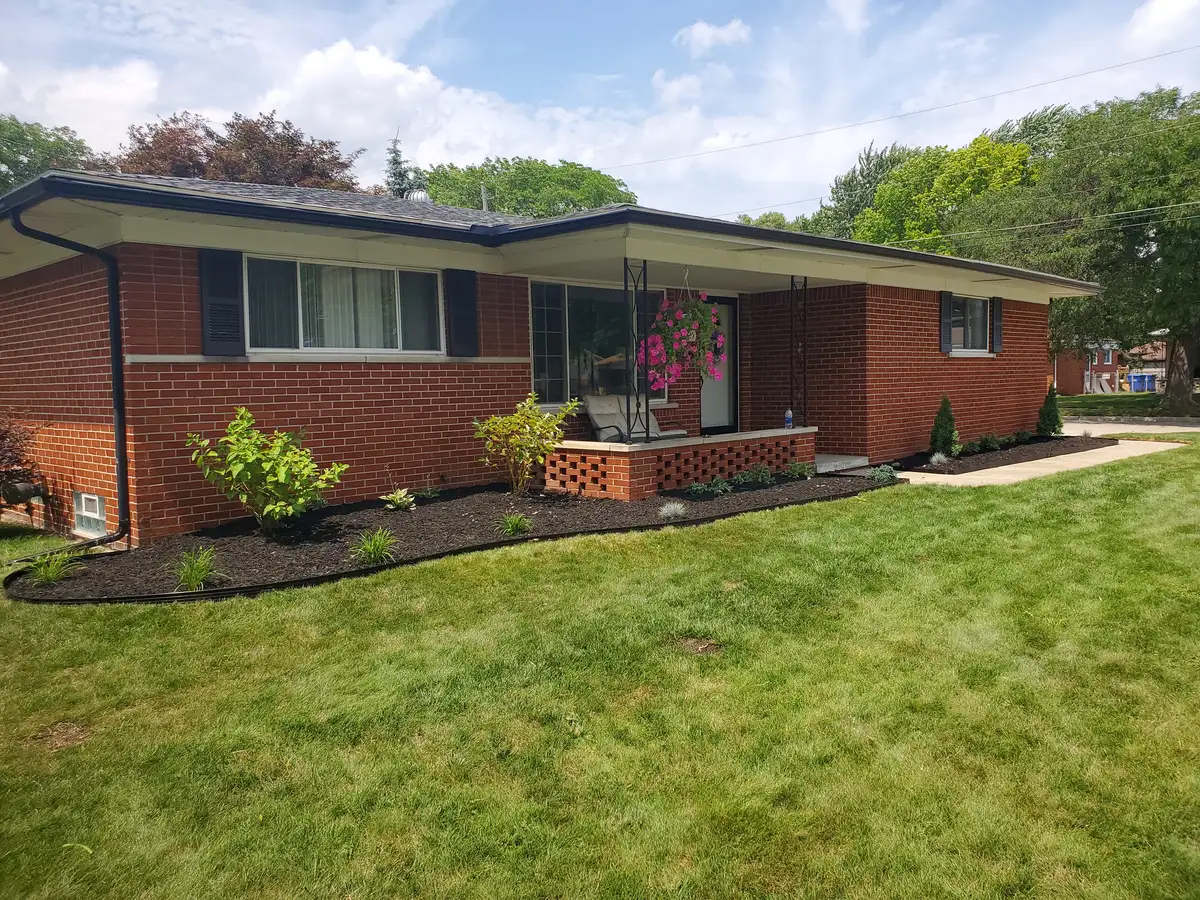
- Curb-appeal refresh: removal of tired material, bed reshaping, selected plants, edging, and mulch. The budget turns on how much can remain and how much preparation the beds need.
- Lawn replacement: old-turf removal, soil and grade preparation, sod or seed, edge work, delivery, and establishment care. Review our separate guide to sod installation cost for that narrower decision.
- Drainage-led landscaping: correcting water movement first, then restoring lawn, beds, or hardscape disturbed by the work. The surface restoration belongs in the budget with the drainage scope.
- Coordinated yard improvement: several connected areas involving grade, patios, walls, planting, lawn, lighting, or outdoor living. See landscape design-build when the whole sequence needs a plan.
- Recurring maintenance: scheduled lawn and bed care after installation. This is the category most likely to be discussed as a monthly or seasonal service.
Turn the Wish List Into a Base Project and Options
Before the estimate, divide the project into three priority levels. This gives you a way to reduce or expand the budget without cutting the preparation that the main improvement depends on.
- Must solve: water, grade, access, safety, failed turf, unstable edges, or another condition behind the project.
- Want in this phase: the visible lawn, bed, planting, path, lighting, or outdoor-living improvement that prompted the call.
- Can add later: secondary areas, larger plant sizes, decorative upgrades, or future phases that are not required for the first result to work.
Ask the contractor to price the must-have work and current improvement as the base scope, then list meaningful upgrades as alternates. That is more useful than asking for one total that combines every idea or a stripped-down total that leaves the underlying problem unresolved.
What Different Pricing Methods Actually Tell You
Project pricing
A fixed project total is useful when the work area, preparation, materials, quantities, access, cleanup, and finished result are defined. Confirm the assumptions and how a change will be approved if hidden conditions or a new request alters that scope.
Square-foot or quantity pricing
Area and quantity can help estimate sod, mulch, soil, pavers, or other measured materials. They do not automatically include removal, grade correction, access, delivery, cuts, waste, edging, or restoration. Use the unit as one part of the estimate, not as the complete project price.
Is an Hourly Landscaping Rate Useful?
Hourly pricing can be useful for defined labor or work whose full extent cannot be seen in advance, but it is not a complete measure of value. One quoted hour may represent one worker; another may represent a crew with equipment, transport, and disposal included. Specialized excavation or grading also cannot be compared fairly with basic hand labor by rate alone.
If a proposal includes hourly work, ask how many people are included, which equipment is covered, what conditions could add time, and whether there is a not-to-exceed amount or approval step before extra work begins.
How Monthly Landscaping Cost Differs From Project Cost
Monthly pricing usually belongs to landscape maintenance, not a one-time installation. A maintenance plan may combine recurring lawn work with selected bed care, trimming, cleanups, or seasonal services. The monthly number only makes sense when the visit frequency and included tasks are clear.
A one-time landscape project is typically estimated around installation scope. Keep the maintenance calendar separate so you can see the installation total, the first season of establishment care, and the recurring annual commitment instead of blending three different costs into one number.
Save Money by Simplifying the Finish, Not the Foundation
Useful budget reductions preserve the work that makes the project function. You might keep healthy existing plants, limit the first phase to the highest-priority area, use a simpler plant palette, choose smaller plants with room to mature, or postpone decorative features. Those changes reduce scope without asking the same installation to succeed on an unprepared site.
Be cautious about savings that remove necessary drainage, soil preparation, disposal, edge work, or restoration. Also tell the estimator about future patios, lighting, outdoor kitchens, fences, or additions. Planning for later work now can keep a future phase from disturbing new lawn or beds.
Include the First Season in the Budget
Ask what watering equipment, visit schedule, mulch refresh, mowing adjustment, pruning, or seasonal cleanup the new work will need. If you will be away during the establishment period, decide who will handle care before installation. A lower-maintenance goal may also change plant spacing, lawn area, bed material, or the size of the first phase.
This is where installation and maintenance meet. The project price pays for the improvement; the first-season plan protects it. Treating both as part of the buying decision gives you a clearer view of what the yard will cost to own, not only what it will cost to install.
Planning a Landscaping Estimate in Warren and Metro Detroit
Before the site visit, write one item under each budget layer: the condition that must be solved, the improvement you most want to see, and the level of care you can maintain. Photograph problem areas after rain when useful, note gate widths and access limits, and mark which ideas can become optional phases.
The Guy Outdoor Services provides landscaping services from its Warren home base across the listed Metro Detroit service areas. Homeowners can review the Warren service area, while nearby customers can also explore landscaping in Sterling Heights. For a property-specific scope, send your project details through the contact page.
Landscaping Cost FAQ
There is no dependable price without a defined scope and a site review. A planting-bed refresh, new lawn, drainage correction, paver walk, and full-yard design-build project are different purchases. Build the budget around the site problems to solve, the improvements you want to see, and the care the finished yard will need.
Sort the wish list into three levels: work that must solve a functional problem, improvements you want in the current phase, and additions that can wait. Then ask for the must-have scope as the base project and the other items as clearly priced options. This preserves essential preparation while showing what each upgrade adds.
An hourly rate by itself does not show whether an estimate is high or low. It may represent one person or a crew and may include equipment, transport, disposal, and specialized work. Compare the total written scope, quantities, exclusions, expected result, and change-order terms instead of judging one hourly number alone.
Monthly pricing usually applies to recurring landscape maintenance, not one-time installation. The cost depends on visit frequency, lawn and bed areas, seasonal tasks, trimming, cleanup, and what materials or treatments are included. Ask for a calendar of services so you can compare the same level of care.
Commonly overlooked parts of the budget include removal and disposal, soil preparation, grading or drainage correction, material delivery, limited-access handling, restoration outside the main work area, watering supplies, and first-season care. Ask who is responsible for each item before comparing totals.