
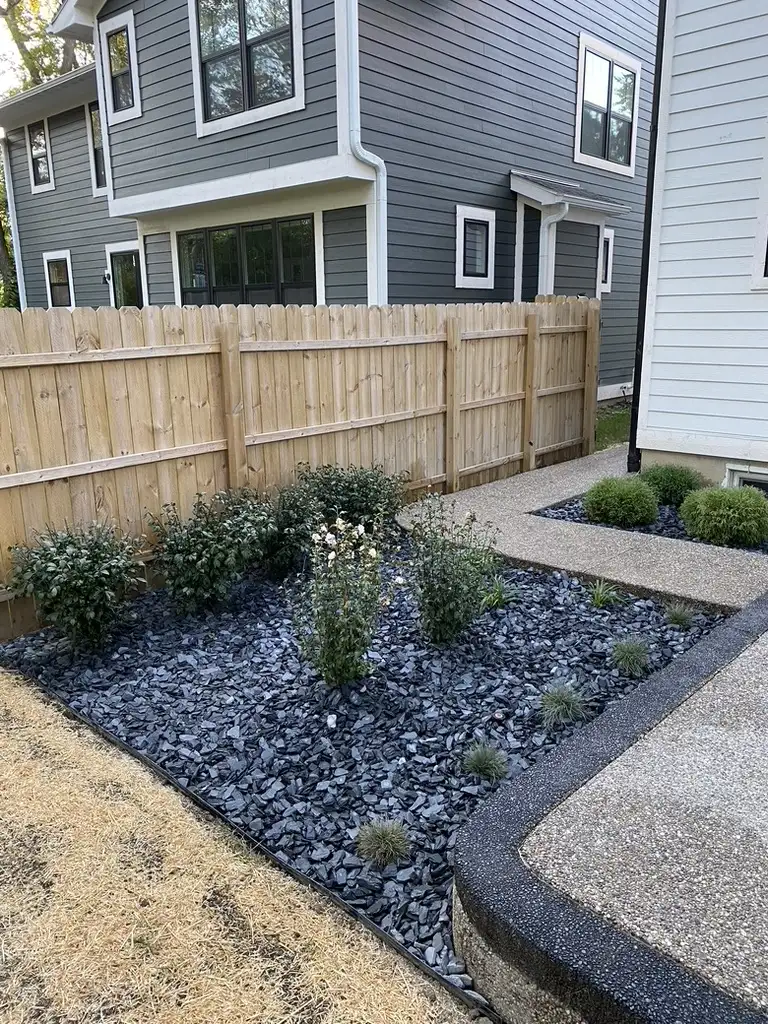
A search for “landscaping” can lead to everything from weekly mowing to a full property redesign. That makes the first booking decision less about choosing a date and more about identifying the kind of work the yard needs.
For homeowners considering landscaping in Warren, MI, the most useful questions connect the visible goal—cleaner beds, healthier lawn, better drainage, more privacy—to the preparation and ongoing care behind it. The six questions below will help you describe the project clearly and compare proposals on the same basis.
Bring the problem, not a guessed solution. “Water sits here after heavy rain” or “this bed has outgrown the walkway” gives an estimator more useful information than requesting sod, mulch, or new plants before the cause is understood.
1. Am I Booking Landscaping, Lawn Care, or Both?
These services can overlap, but they solve different needs. Landscaping usually changes part of the property: reshaping a planting bed, installing plants or sod, correcting grade, adding mulch or decorative stone, or coordinating several outdoor improvements. Lawn care focuses on recurring turf needs, while landscape maintenance covers ongoing care for established areas.
Start with the outcome. If the lawn is thin but the site also holds water, replacing the grass alone may not solve the problem. If the beds look overgrown, decide whether you want a one-time redesign, seasonal cleanup, or recurring trimming and weeding. Naming the desired result helps the company route the request to the right service and estimate the right work.
2. What Site Problem Should Be Solved Before Anything New Is Installed?
Fresh materials can improve appearance, but they should not cover a condition that will keep causing trouble. Before discussing plant colors or finish materials, point out standing water, soil or mulch washing onto pavement, low areas, repeated turf failure, downspout discharge, roots, narrow access, utility equipment, and heavily traveled paths.
Water deserves particular attention. Rain, snowmelt, and freeze-thaw conditions all affect how a Michigan yard performs. When puddling, runoff, or erosion is part of the problem, ask whether drainage or grading work should happen before new beds or sod installation. Photos taken while the issue is visible can be more informative than a dry-day description.
3. How Will Access and Existing Features Affect the Work?
The route into the yard can change the labor, equipment, and restoration included in the project. Show the estimator gates, narrow side yards, slopes, steps, fences, irrigation components, utilities, play areas, and surfaces that need protection. Also discuss pets and any times when access will be limited.
Existing and future features matter too. A later patio, fence, outdoor kitchen, lighting system, or utility project may affect grade, bed layout, conduit, and installation sequence. When several improvements need to work together, a landscape design-build plan can set priorities and phases before the first area is disturbed.
4. What Is Included in the Written Landscaping Scope?
A useful proposal should identify the work area and make the responsibilities understandable. Look for removals, site preparation, grading, plant or material selections, quantities where practical, disposal, cleanup, lawn or pavement restoration, and any aftercare included in the proposed work. Optional items and exclusions should be clear enough that you can see what changes if the budget changes.
Ask how substitutions, concealed conditions, and customer-requested changes are handled. Also confirm who will communicate schedule updates. Comparing bottom-line totals without comparing these details can make two different scopes look equivalent when they are not.
5. Does the Installation Timing Match the Care the Yard Will Need?
Booking early creates time for a property visit, decisions, selections, and scheduling, but there is no single calendar date that suits every type of work. Weather, soil conditions, material availability, plant needs, and the ability to water after installation can all affect timing.
If you have travel, an event, irrigation limits, or other contractors scheduled, bring those dates into the conversation. Installation and establishment are not the same milestone: new plants or sod may be in place, but they still need consistent care afterward. Ask what watering, monitoring, or seasonal follow-up will be your responsibility.
6. What Will the Finished Yard Require From Me?
The best-looking option on installation day may not be the best fit if its upkeep exceeds the time you want to spend. Discuss watering, pruning, weeding, mulch or stone upkeep, lawn care, leaf cleanup, and seasonal cutbacks before selections are final. Tell the estimator whether you prefer a hands-on garden, lower-maintenance planting, open lawn, or a maintenance service.
For a property in the Warren service area, this conversation should cover the full year rather than one season. Ask how snow storage, spring cleanup, summer watering, and fall leaf drop may affect the layout and maintenance plan.
Use These Questions to Compare the Same Result
- Is this a one-time installation, recurring care, or a combination?
- Are drainage, grade, access, or removals part of the scope?
- Are the plant and material quantities clear enough to compare?
- Who handles disposal, cleanup, and restoration?
- What decisions or site conditions could change the schedule?
- What care will the new landscape require after installation?
For a deeper look at project sequencing, read the right order for a Warren landscaping project. Ready to discuss your property? Request a landscaping estimate and tell our team which areas, problems, and priorities you would like us to review.
FAQ: Booking Landscaping in Warren, MI
Landscaping usually changes or installs part of the property, such as planting beds, grading, drainage, sod, mulch, or a coordinated outdoor plan. Lawn care focuses on recurring turf tasks such as mowing and seasonal treatments. Some properties need both, but they should be scoped separately.
Yes when the property shows standing water, runoff, erosion, a persistently wet area, or repeated turf failure. New sod or planting may hide the symptom briefly without resolving the underlying water movement. Point out when and where the problem appears during the site visit.
The estimate should identify the work area and explain removals, preparation, grading, materials or plants, quantities where practical, disposal, cleanup, restoration, exclusions, optional work, and any aftercare expectations that apply to the proposed scope.
Begin before your preferred installation period so there is time for a site visit, scope decisions, selections, and scheduling. The actual installation date can depend on weather, soil conditions, plant needs, material availability, and the watering or care required afterward.
Compare the same intended result and line up preparation, quantities, drainage or grading work, cleanup, restoration, exclusions, change procedures, and aftercare. Two totals are not directly comparable when one proposal leaves important work unspecified.